Каталог Sumitomo пластины с кубическим нитридом бора Sumiboron - страница 100
Навигация
 Каталог Sumitomo резьбонарезной инструмент
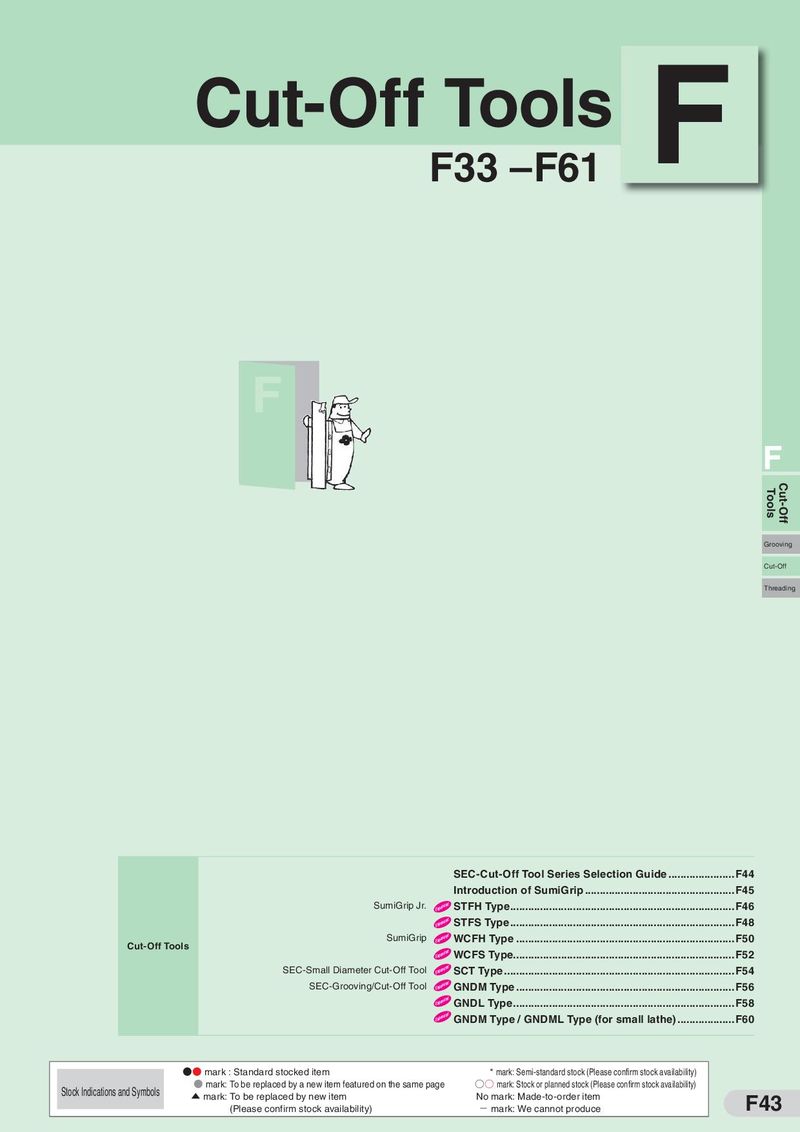 Каталог Sumitomo инструмент для отрезки
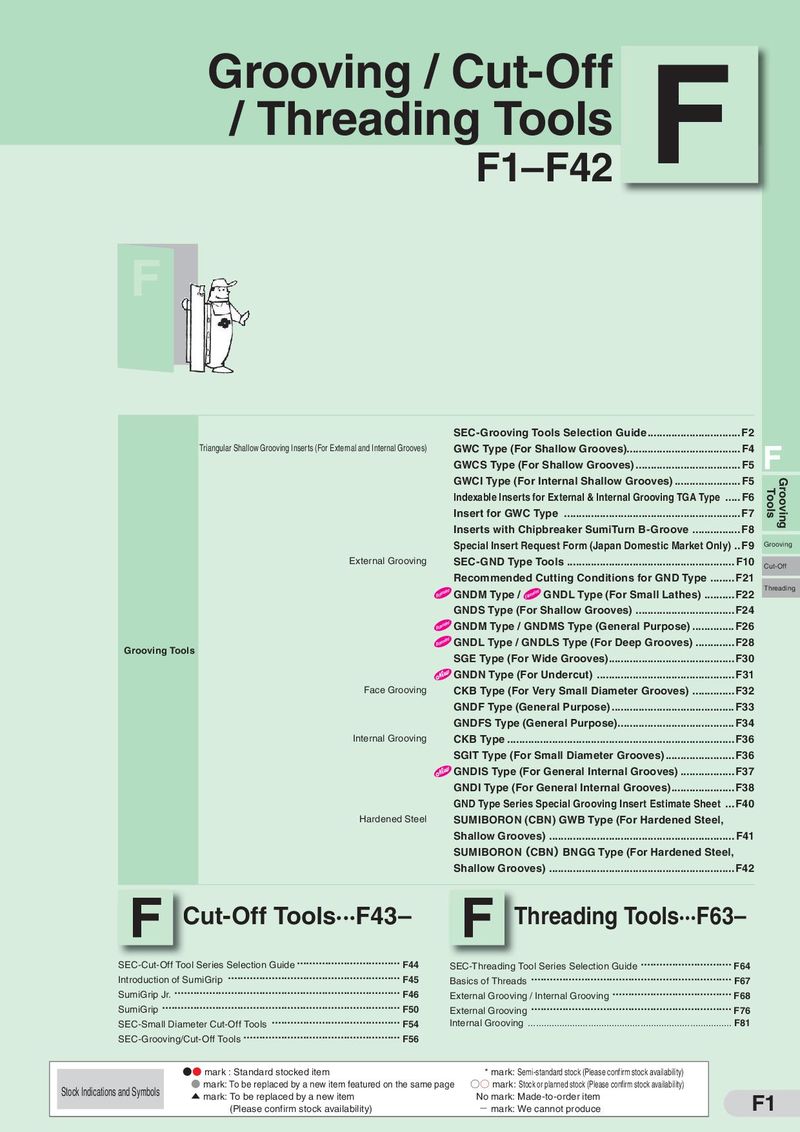 Каталог Sumitomo инструмент для обработки канавок
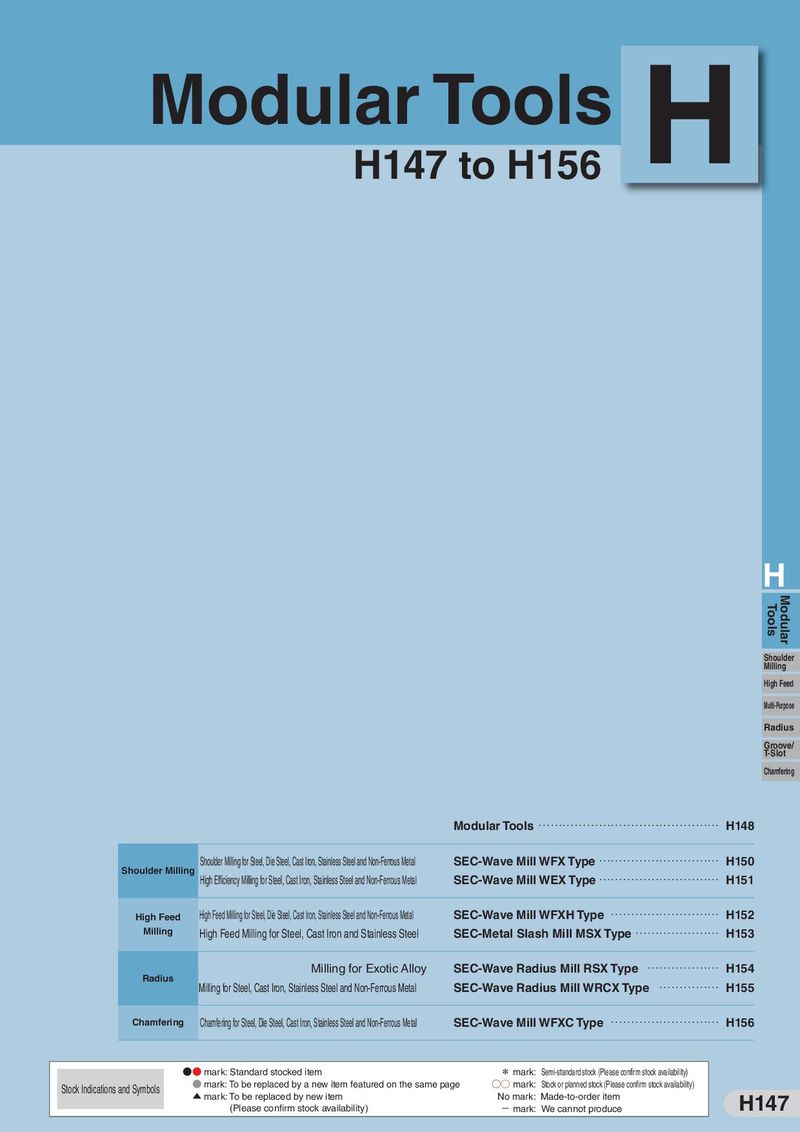 Каталог Sumitomo модульные фрезерные системы
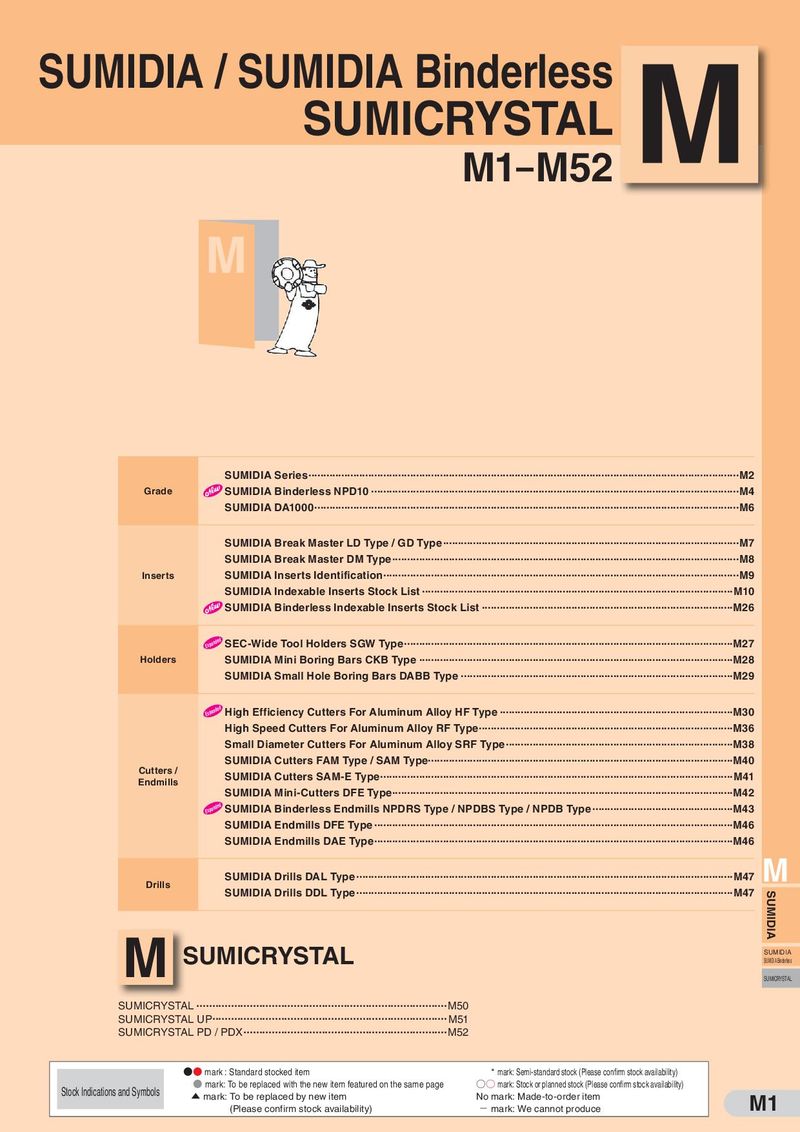 Каталог Sumitomo пластины с алмазными вставками Sumidia
 Каталог Sumitomo пластины с режущей кромкой-моноалмаз Sumicristal
- L001
- L002
- L003
- L004
- L005
- L006
- L007
- L008
- L009
- L010
- L011
- L012
- L013
- L014
- L015
- L016
- L017
- L018
- L019
- L020
- L021
- L022
- L023
- L024
- L025
- L026
- L027
- L028
- L029
- L030
- L031
- L032
- L033
- L034
- L035
- L036
- L037
- L038
- L039
- L040
- L041
- L042
- L043
- L044
- L045
- L046
- L047
- L048
- L049
- L050
- L051
- L052
- L053
- L054
- L055
- L056
- L057
- L058
- L059
- L060
- L061
- L062
- L063
- L064
- L065
- L066
- L067
- L068
- L069
- L070
- L071
- L072
- L073
- L074
- L075
- L076
- L077
- L078
- L079
- L080
- L081
- L082
- L083
- L084
- L085
- L086
- L087
- L088
- L089
- L090
- L091
- L092
- L093
- L094
- L095
- L096
- L097
- L098
- L099
- L100
- L101
- L102
- L103
- L104
- L105
- L106
- L107
- L108
- L109
- L110
- L111
- L112
- L113
- L114
- L115
- L116
- L117
- L118
- L119
- L120
- L121
- L122
- L123
- L124
- L125
- L126
Insert for High Efficiency Machining & Special HoldersSUMIBORON
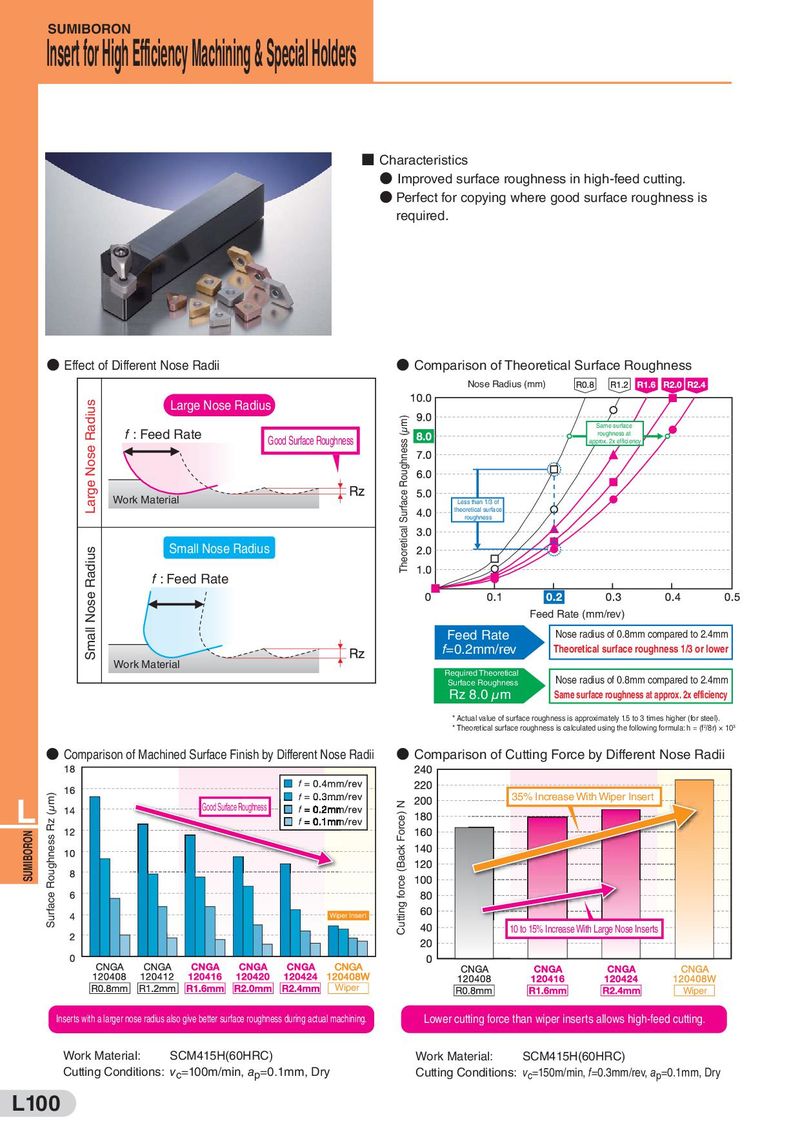
■ Characteristics
- Improved surface roughness in high-feed cutting.
- Perfect for copying where good surface roughness is required.
- Effect of Different Nose Radii
- Comparison of Theoretical Surface Roughness
Nose Radius (mm)
Large Nose Radius
: Feed Rate Same surface f roughness at Good Surface Roughness approx. 2x efficiency
Work Material
Small Nose Radius
f : Feed Rate
Work Material
- Comparison of Machined Surface Finish by Different Nose Radii
f L f Good Surface Roughness f f
Less than 1/3 of theoretical surface roughness
Feed Rate (mm/rev)
| Feed Rate | Nose radius of 0.8mm compared to 2.4mm |
| f=0.2mm/rev | Theoretical surface roughness 1/3 or lower |
| Required Theoretical | |
| Surface Roughness | Nose radius of 0.8mm compared to 2.4mm |
| Rz 8.0 μm | Same surface roughness at approx. 2x efficiency |
- Actual value of surface roughness is approximately 1.5 to 3 times higher (for steel).
- Theoretical surface roughness is calculated using the following formula: h = (f2/8r) × 103
- Comparison of Cutting Force by Different Nose Radii
35% Increase With Wiper Insert
Wiper Insert 10 to 15% Increase With Large Nose Inserts
Wiper Wiper
Inserts with a larger nose radius also give better surface roughness during actual machining. Lower cutting force than wiper inserts allows high-feed cutting.
Work Material: SCM415H(60HRC) Work Material: SCM415H(60HRC)
Cutting Conditions: v =100m/min, a =0.1mm, Dry Cutting Conditions: v =150m/min, f=0.3mm/rev, a =0.1mm, Dry