Общий каталог Mitsubishi 2020 - 2021 - страница 1726
Навигация
 Каталог Mitsubishi Materials запасные части
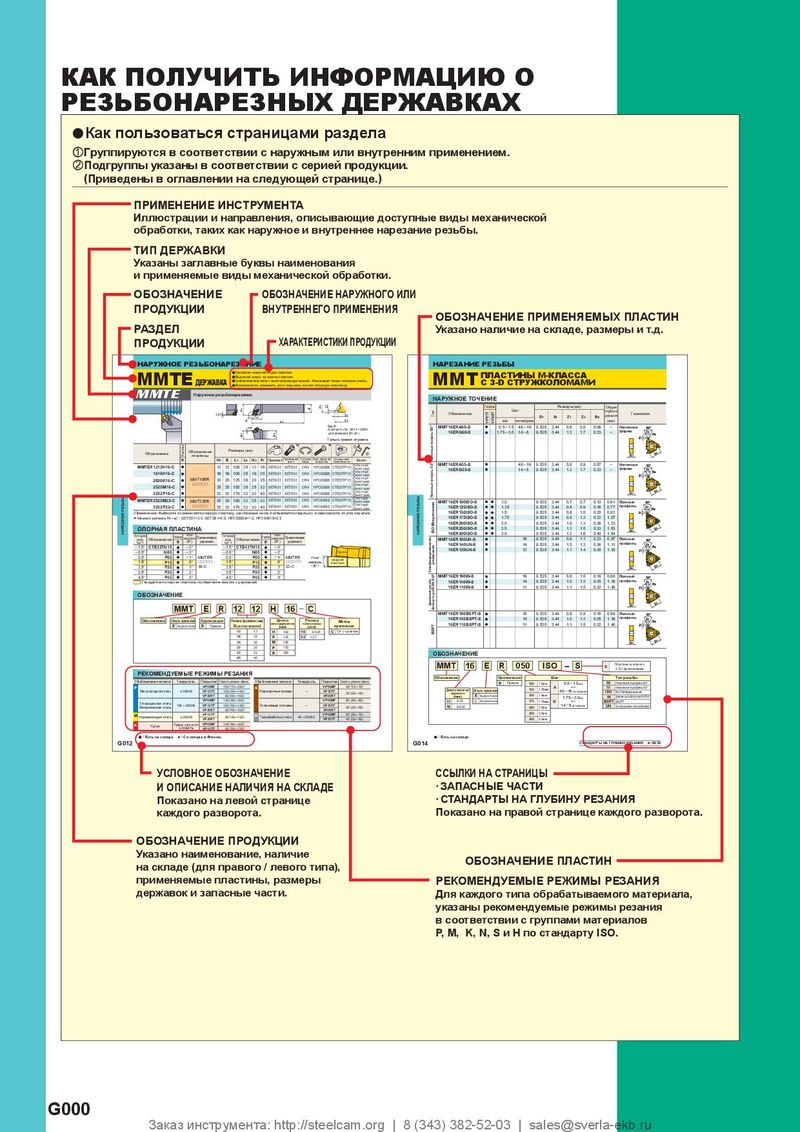 Каталог Mitsubishi Materials резьбонарезной инструмент
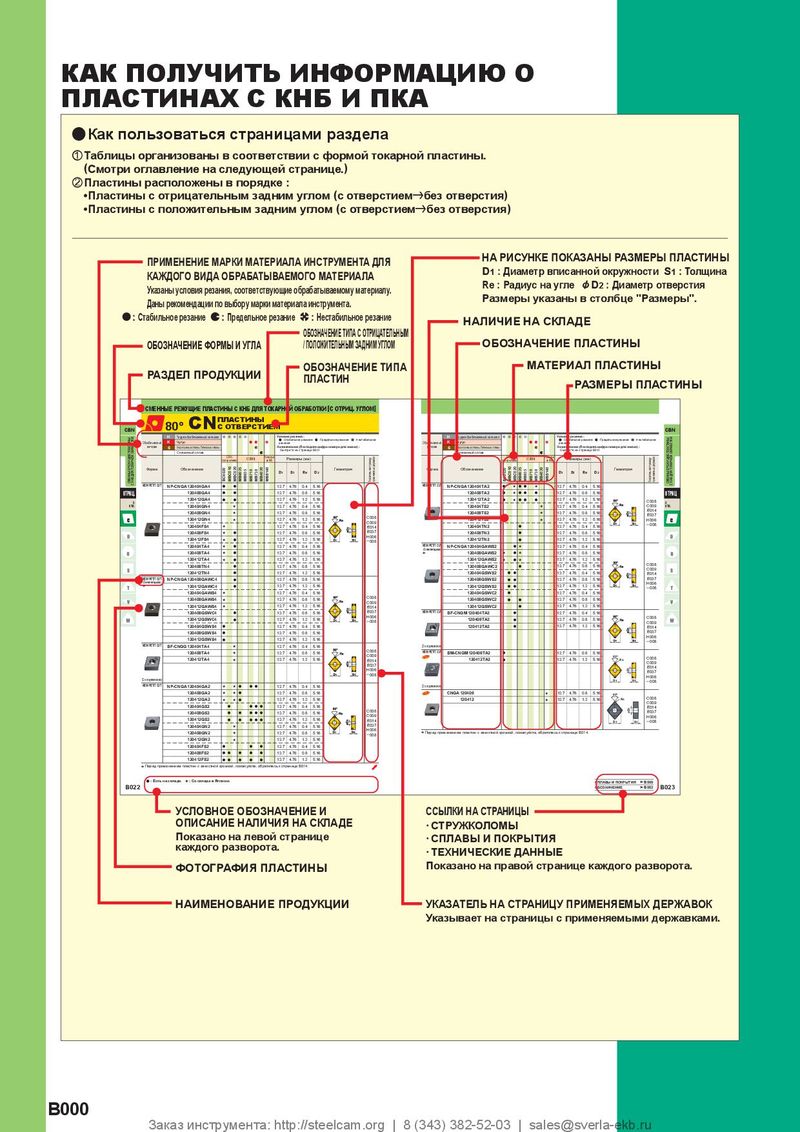 Каталог Mitsubishi Materials СНП с CBN и PCD для токарной обработки
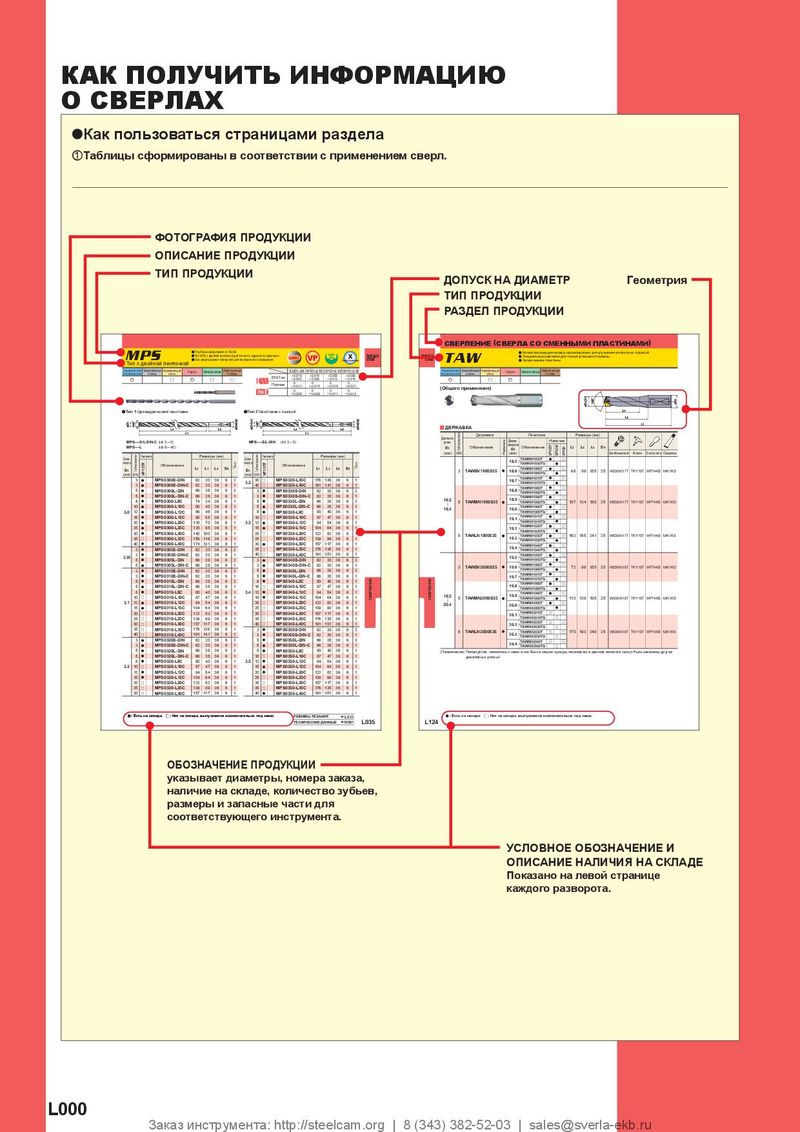 Каталог Mitsubishi Materials сверлильные инструменты
 Каталог Mitsubishi Materials расточной инструмент
 Каталог Mitsubishi Materials пластины для точения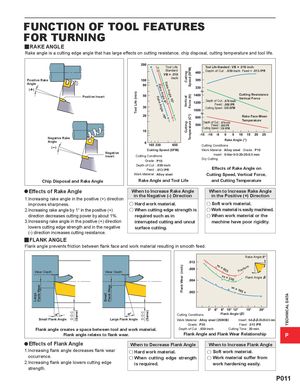
y RAKE ANGLE
Rake angle is a cutting edge angle that has large effects on cutting resistance, chip disposal, cutting temperature and tool life.
Tool Life Tool Life Standard : VB = .016 inch Standard Depth of Cut : .039 inch Feed = .013 IPR VB = .016 inch Positive Rake Rake Angle Angle Rake Angle Rake Angle Cutting Resistance
Positive Insert 15° Vertical Force
6° Depth of Cut .079 inch
| Vertical Force (N) | Feed | .008 IPR | |
| Cutting Speed | 330 SFM | ||
| -10° | |||
| Rake Face Mean | |||
| Temperature | |||
| Depth of Cut | .079 inch | ||
| Feed | .008 IPR | ||
| Cutting Speed | 330 SFM | ||
| Negative Rake | Rake Angle (°) |
Angle (-) Cutting Conditions Cutting Speed (SFM) Work Material : Alloy steel Grade : P10 Negative Insert : 0-Var-5-5-20-20-0.5 mm
Insert Cutting Conditions Grade : P10 Dry Cutting Depth of Cut : .039 inch Effects of Rake Angle on Feed : .013 IPR Work Material : Alloy steel Cutting Speed, Vertical Force,
Chip Disposal and Rake Angle Rake Angle and Tool Life and Cutting Temperature
| a Effects of Rake Angle | When to Increase Rake Angle | When to Increase Rake Angle | ||
| in the Negative (-) Direction | in the Positive (+) Direction | |||
| 1. Increasing rake angle in the positive (+) direction | ||||
| improves sharpness. | u Hard work material. | u Soft work material. | ||
| 2. Increasing rake angle by 1° in the positive (+) | u When cutting edge strength is | u Work material is easily machined. | ||
| direction decreases cutting power by about 1%. | required such as in | u When work material or the | ||
| 3. Increasing rake angle in the positive (+) direction | interrupted cutting and uncut | machine have poor rigidity. |
lowers cutting edge strength and in the negative surface cutting. (-) direction increases cutting resistance. y FLANK ANGLE Flank angle prevents friction between flank face and work material resulting in smooth feed.
Rake Angle 6° vc = 655
Wear Depth Wear Depth Fracture
vc = 330 Flank Angle vc = 165
Large Flank W Small Flank W Cutting Conditions Flank Angle ($)
| Small Flank Angle | (Same | Large Flank Angle | (Same | Work Material : Alloy steel (200HB) Insert : 0-6-$-$-20-20-0.5 mm | |
| Grade : P20 | Feed : .013 IPR | ||||
| Flank angle creates a space between tool and work material. | Depth of Cut : .039 inch | Cutting Time : 20 min |
Flank angle relates to flank wear. Flank Angle and Flank Wear Relationship P
| a Effects of Flank Angle | When to Decrease Flank Angle | When to Increase Flank Angle | ||
| 1. Increasing flank angle decreases flank wear | Hard work material. | Soft work material. | ||
| u | u | |||
| occurrence. | When cutting edge strength | Work material suffer from | ||
| u | u | |||
| 2. Increasing flank angle lowers cutting edge | is required. | work hardening easily. |
strength.