Общий каталог Mitsubishi 2020 - 2021 - страница 1727
Навигация
 Каталог Mitsubishi Materials запасные части
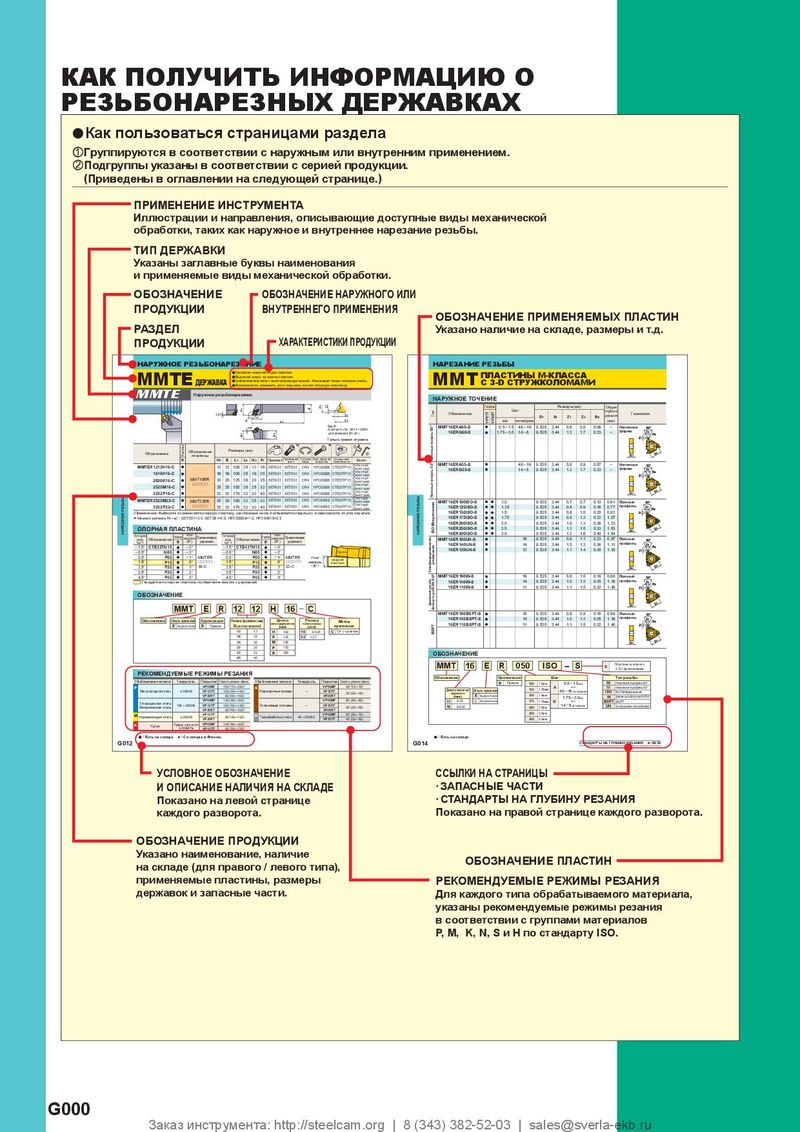 Каталог Mitsubishi Materials резьбонарезной инструмент
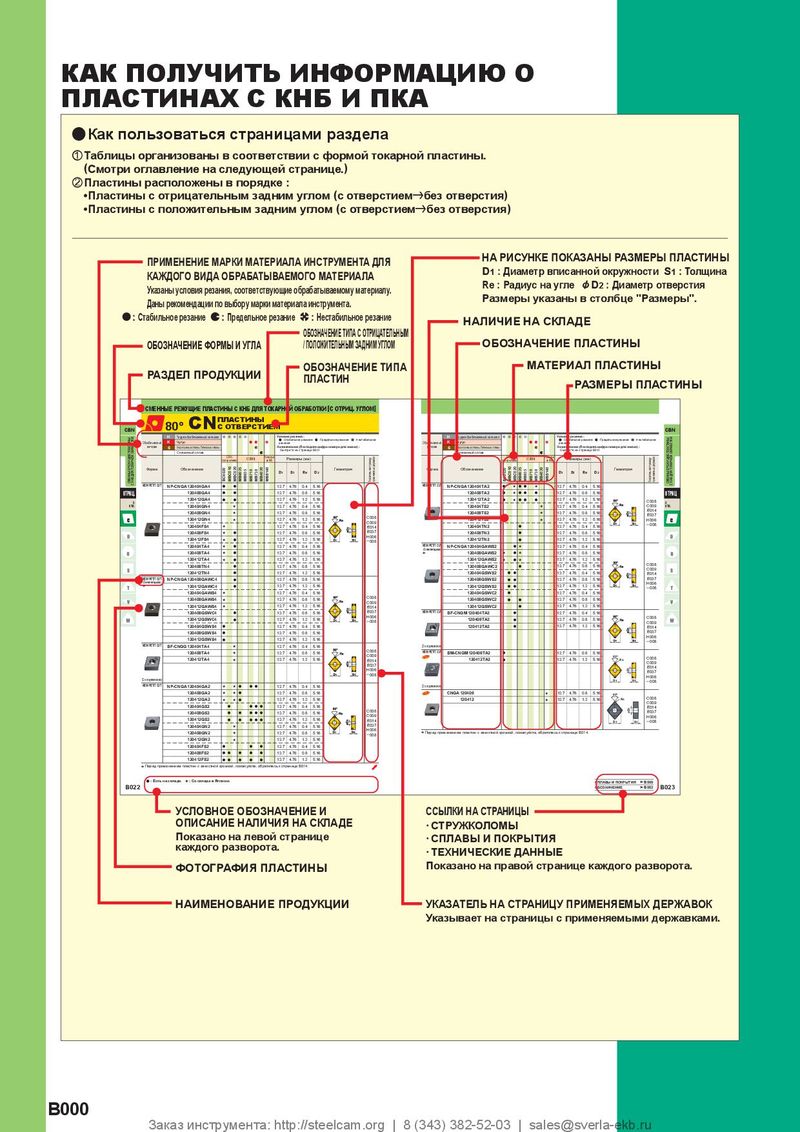 Каталог Mitsubishi Materials СНП с CBN и PCD для токарной обработки
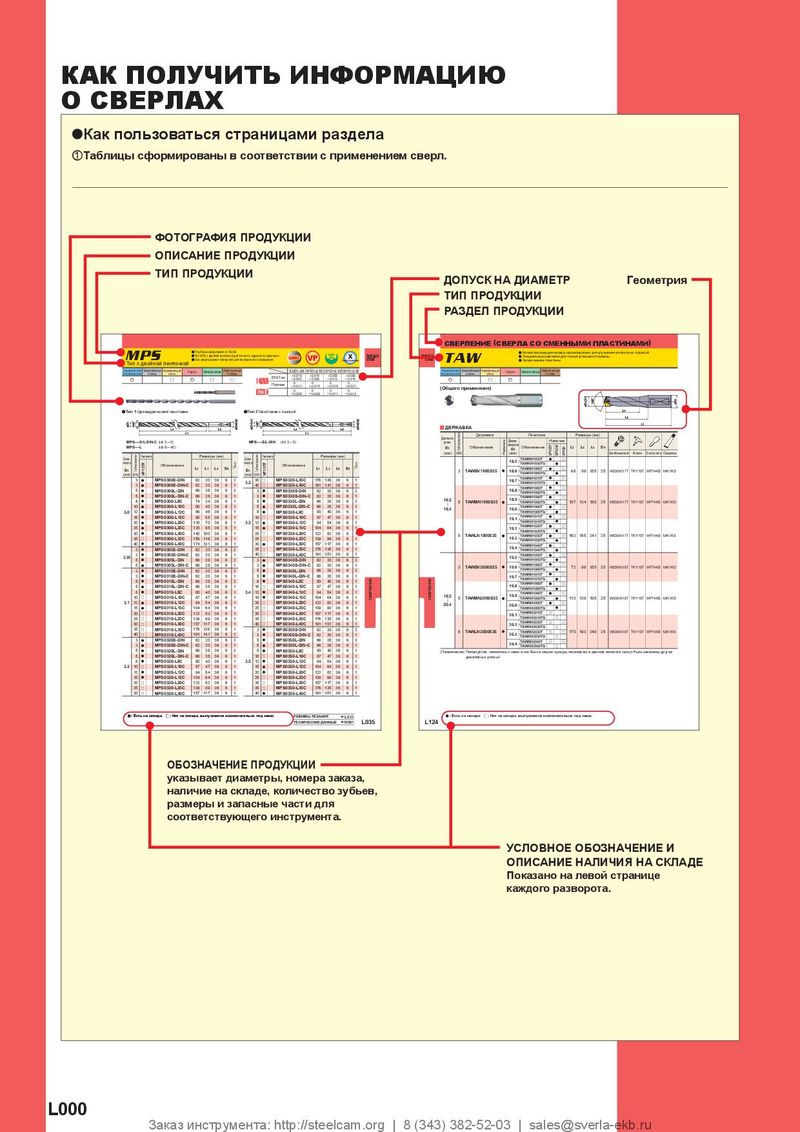 Каталог Mitsubishi Materials сверлильные инструменты
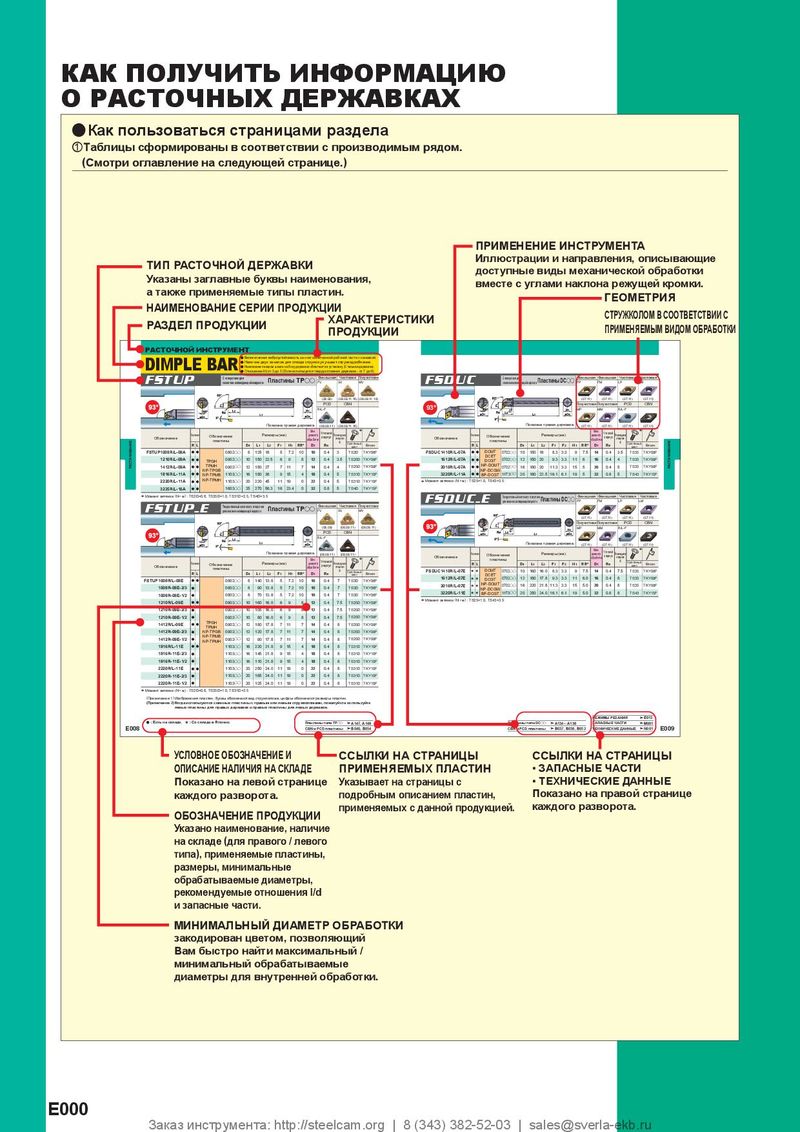 Каталог Mitsubishi Materials расточной инструмент
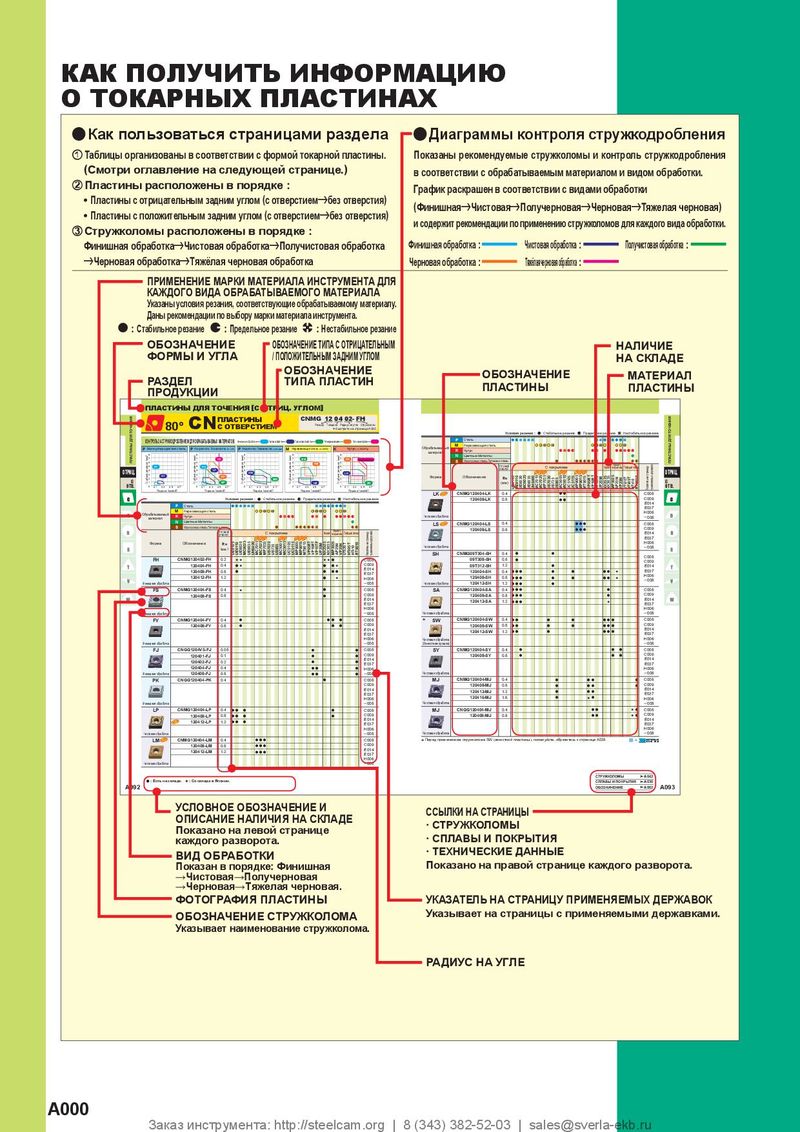 Каталог Mitsubishi Materials пластины для точения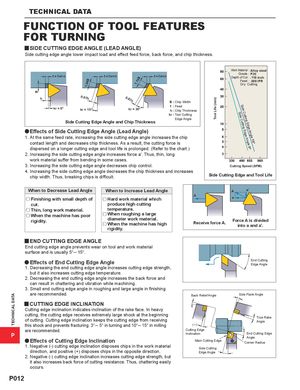
y SIDE CUTTING EDGE ANGLE (LEAD ANGLE)
Side cutting edge angle lower impact load and effect feed force, back force, and chip thickness.
Work Material : Alloy steel Grade : P20
f = Same f = Same f = Same Depth of Cut : .118 inch
| 4B | 5B | Feed : .008 IPR | |
| 1.1 | Dry Cutting | ||
| 1.0 |
| h 0.97h | 0.87h | |||
| B : Chip Width | ||||
| Side Cutting Edge | ||||
| f : Feed | ||||
| kr = 0° kr = 15° | kr = 30° | h : | ||
| Chip Thickness | Side Cutting Edge | |||
| kr : Tool Cutting | ||||
| Side Cutting Edge Angle and Chip Thickness | Edge Angle | |||
| aEffects of Side Cutting Edge Angle (Lead Angle) | Angle |
1. At the same feed rate, increasing the side cutting edge angle increases the chip Angle 15°
contact length and decreases chip thickness. As a result, the cutting force is dispersed on a longer cutting edge and tool life is prolonged. (Refer to the chart.) 0° 2. Increasing the side cutting edge angle increases force a'. Thus, thin, long work material suffer from bending in some cases.
3. Increasing the side cutting edge angle decreases chip control. Cutting Speed (SFM) 4. Increasing the side cutting edge angle decreases the chip thickness and increases chip width. Thus, breaking chips is difficult. Side Cutting Edge and Tool Life
| When to Decrease Lead Angle | When to Increase Lead Angle | A | a' | |
| A | ||||
| u Finishing with small depth of | u Hard work material which | a |
cut. produce high cutting Thin, long work material. temperature. u When the machine has poor u When roughing a large
u diameter work material.
rigidity. Receive force A. Force A is divided
u When the machine has high into a and a'. rigidity. y END CUTTING EDGE ANGLE End cutting edge angle prevents wear on tool and work material
surface and is usually 5°― 15°. a Effects of End Cutting Edge Angle End Cutting Edge Angle 1. Decreasing the end cutting edge angle increases cutting edge strength, but it also increases cutting edge temperature. 2. Decreasing the end cutting edge angle increases the back force and can result in chattering and vibration while machining. 3. Small end cutting edge angle in roughing and large angle in finishing are recommended. Side Flank Angle Back Relief Angle
y CUTTING EDGE INCLINATION
Cutting edge inclination indicates inclination of the rake face. In heavy cutting, the cutting edge receives extremely large shock at the beginning of cutting. Cutting edge inclination keeps the cutting edge from receiving True Rake Angle this shock and prevents fracturing. 3°― 5° in turning and 10°― 15° in milling (–) are recommended. Cutting Edge
P Inclination End Cutting Edge
Effects of Cutting Edge Inclination Angle a Main Cutting Edge Corner Radius 1. Negative (-) cutting edge inclination disposes chips in the work material
direction, and positive (+) disposes chips in the opposite direction. Side Cutting Edge Angle 2. Negative (-) cutting edge inclination increases cutting edge strength, but it also increases back force of cutting resistance. Thus, chattering easily occurs.