Общий каталог Mitsubishi 2020 - 2021 - страница 1732
Навигация
 Каталог Mitsubishi Materials запасные части
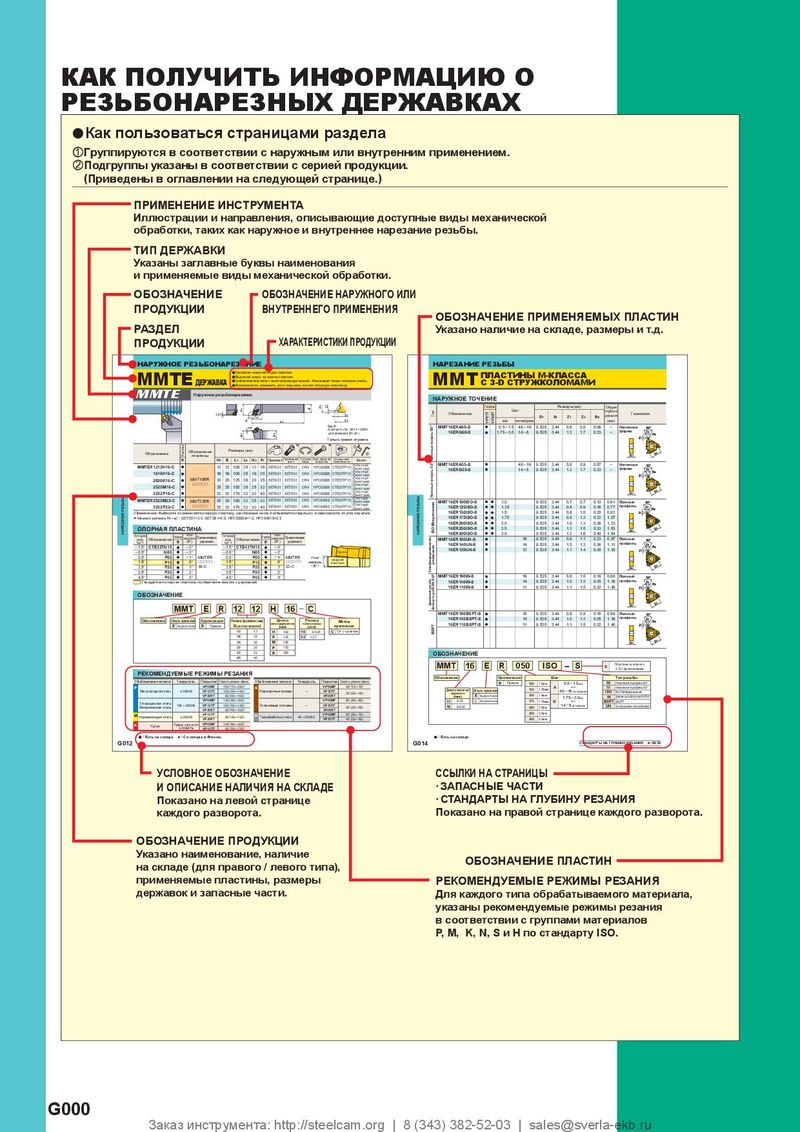 Каталог Mitsubishi Materials резьбонарезной инструмент
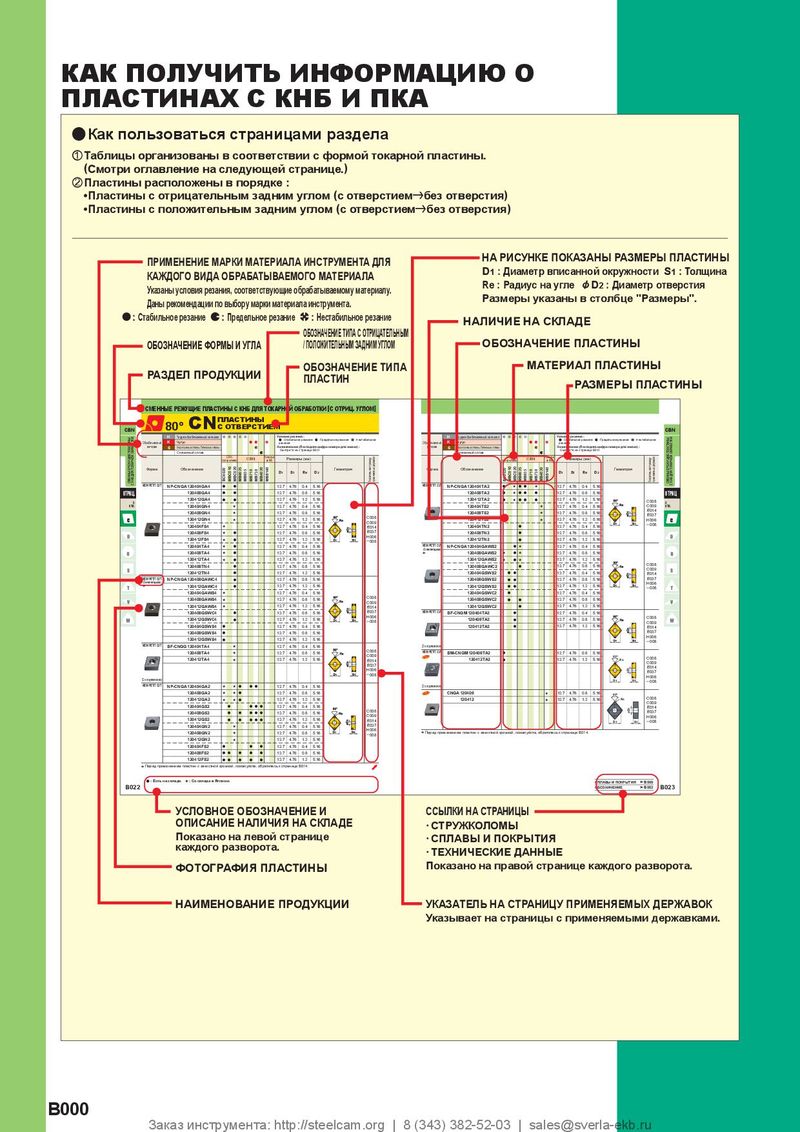 Каталог Mitsubishi Materials СНП с CBN и PCD для токарной обработки
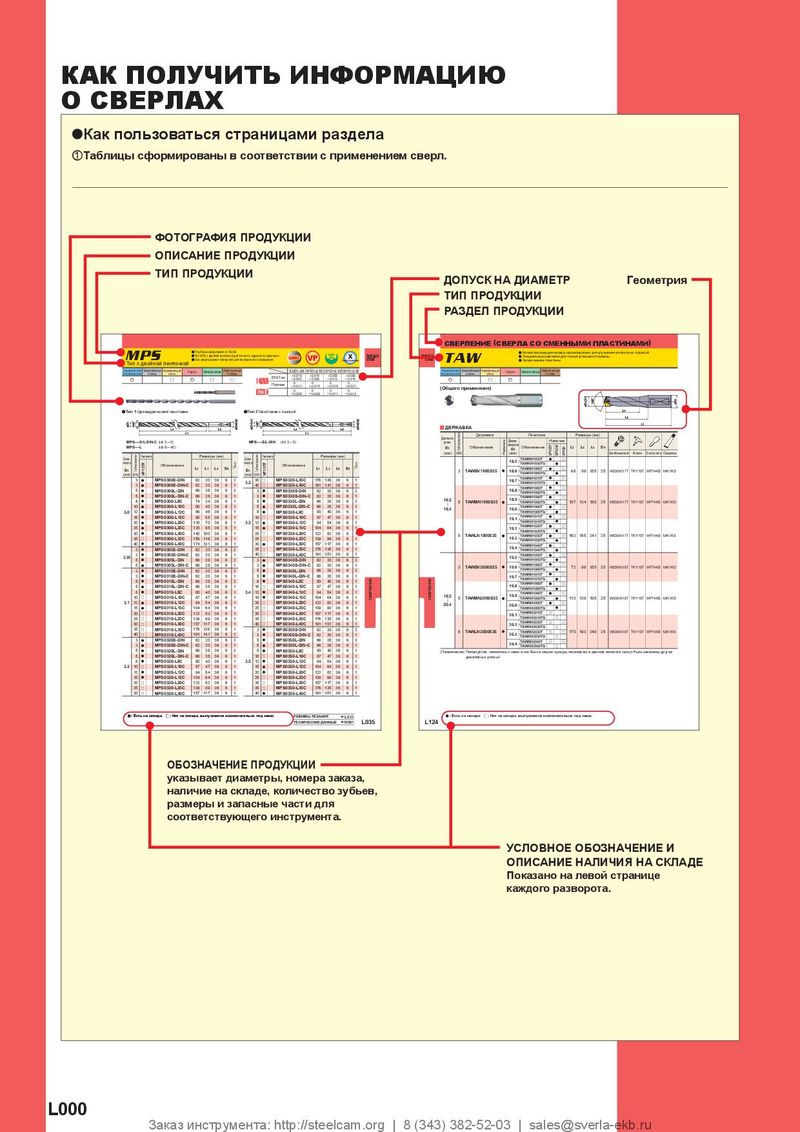 Каталог Mitsubishi Materials сверлильные инструменты
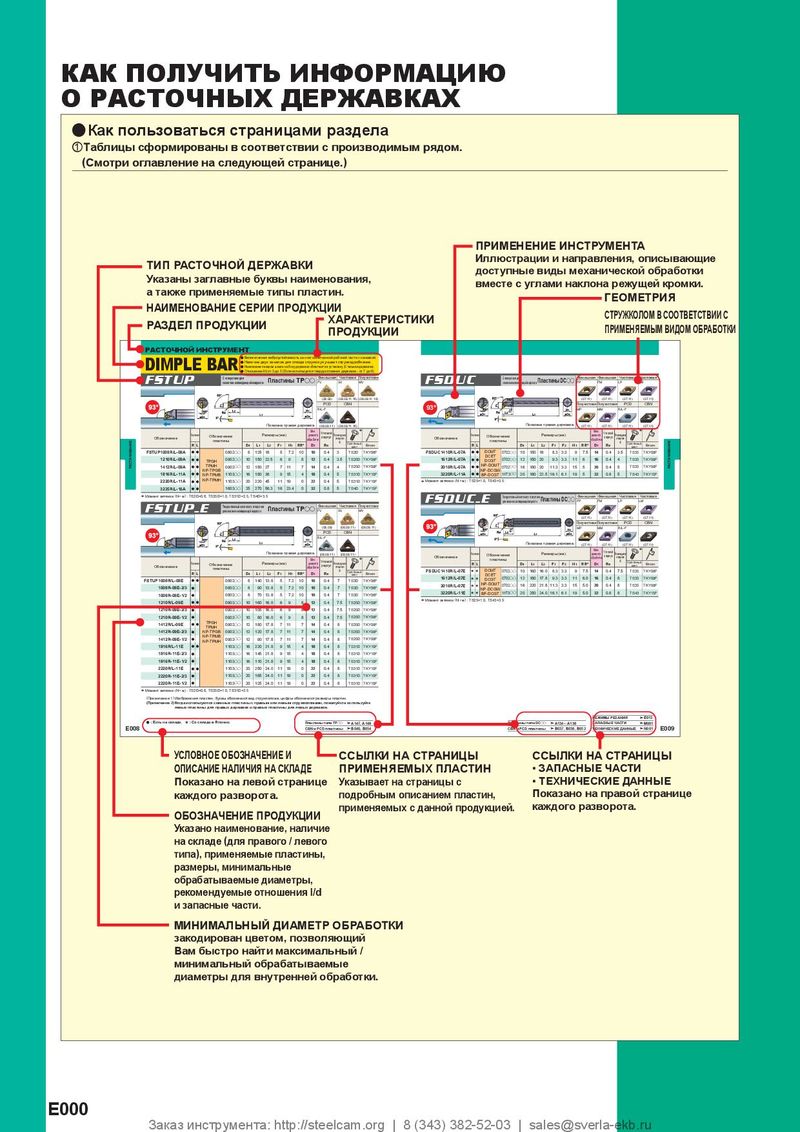 Каталог Mitsubishi Materials расточной инструмент
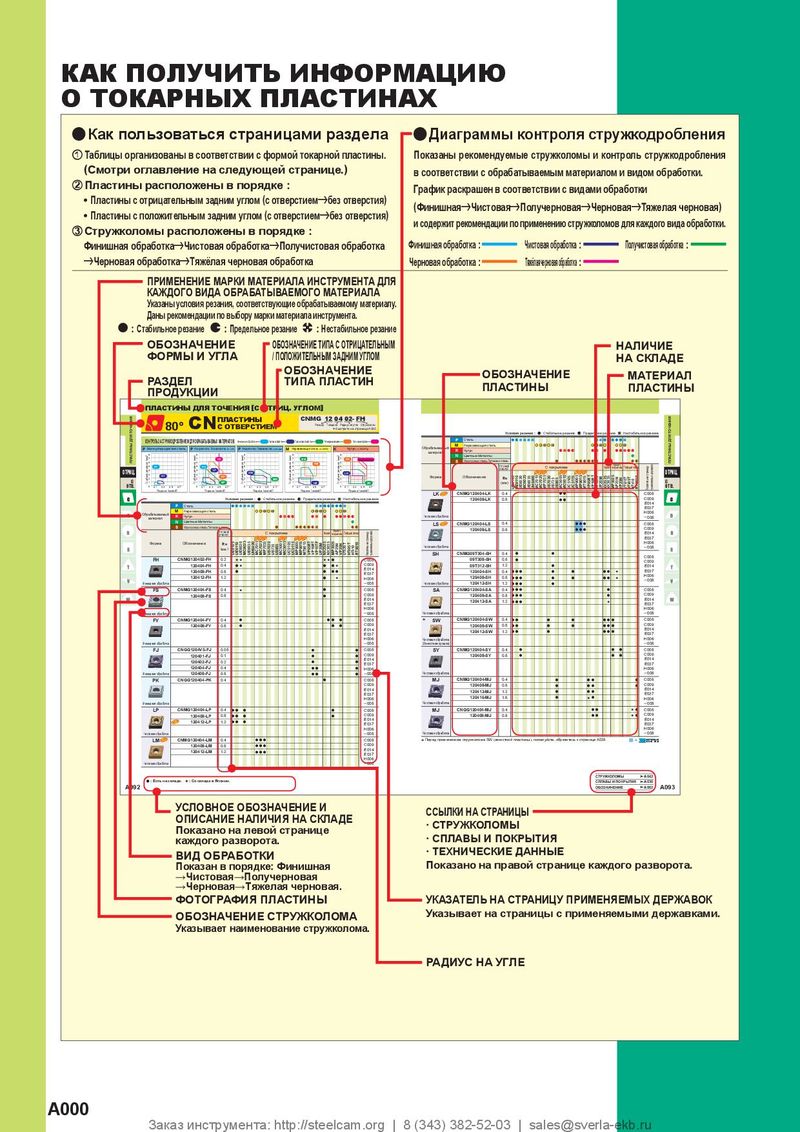 Каталог Mitsubishi Materials пластины для точения
THREADING METHODS
THREADING METHODS
Right Hand Thread Left Hand Thread
*change the shim
*change the shim
- Usually, threads are cut feeding the insert towards the chuck.
- When machining left hand threads, note that clamping rigidity is lowered due the application of back turning.
- When machining left hand threads, the lead angle is negative. Ensure an appropriate lead angle by changing the shim.
INSERT TYPES
Partial Form Full Form Semi Full Form (Trapezoidal threads only)
| a The same insert can be used for a range of pitches. | a No deburring needed after threading. | a No de-burring needed after threading. |
| a Shorter tool life because the nose radius of the | a Requires specific insert for each thread | a Requires specific insert for each thread |
| insert is smaller than that of a full form insert. | form and pitch. | form and pitch. | ||
| a Finishing with another operation may be necessary. | a Finishing with another operation may be necessary. |
Crest Radius Crest Radius Crest Radius
| (Additional turning necessary to finish the thread crest.) | (Finished by insert form.) | (Additional turning necessary to finish the thread crest.) | ||
| Finished | Finished |
Surface Surface Finished Surface
Finishing Pre-finished
| Pre-finished Surface | Pre-finished Surface | Surface | |
| allowance |
Feed Direction Insert Feed Direction Insert Feed Direction Insert
INFEED METHODS
1°─ 5°
Radial Infeed Flank Infeed Modified Flank Infeed Incremental Infeed
aEasiest to use. aRelatively easy to use. aPreventing flank wear on the aUniform wear of the right and
| (Standard program for | (Semi-standard program for | right side of the cutting edge. | left sides of the cutting edge. | ||||
| threading) | threading.) | aReduced cutting force. | aReduced cutting force. | ||||
| aWide application. (Cutting | aReduced cutting force. | aGood for large pitch or | aGood for large pitch or | ||||
| conditions easy to change.) | aSuitable for large pitch | materials that peel easily. | materials that peel easily. | ||||
| aUniform wear of the right and | threads or materials that | aGood chip discharge. | |||||
| left sides of the cutting edge. | peel easily. | ||||||
| aGood chip discharge. | |||||||
| P | |||||||
| aDifficult chip control. | aLarge flank wear of the right | aComplex machining | aComplex machining | ||||
| aSubject to vibration in the later | side of a cutting edge. | programming. | programming. | ||||
| passes due to long cutting edge | aRelatively difficult to change | aDifficult to change cutting | aDifficult to change cutting | ||||
| in contact with work material. | cutting depth. | depth. (NC programming | depth. (Re-programming | ||||
| aIneffective for large pitch | (Re-programming | necessary) | necessary) | ||||
| threading. | necessary) | aChip control is difficult. |
aHeavy load on the nose radius.