| Problems | Observation | Causes | Solutions |
| Low thread precision. | Threads do not mesh | Incorrect tool installation. | Set the insert center height at 0". |
| with each other. | | Check holder inclination (Lateral). |
| Shallow thread. | Incorrect depth of cut. | Modify the depth of cut. |
| | Lack of insert wear or plastic deformation resistance. | Refer to "Quickly generated flank wear." and "Large plastic deformation." below. |
| Poor surface finish. | Surface damage. | Chips wrap around or clog the work material. | Change to flank infeed and control the chip discharge direction. |
| | | Change to an M-class insert with a 3-D chip breaker. |
| | The side of the insert cutting edge interferes with the work material. | Check the lead angle and select an appropriate shim. |
| Surface tears. | Built-up edge (Welding). | Increase cutting speed. |
| | | Increase coolant pressure and volume. |
| | Cutting resistance too high. | Decrease depth of cut per pass. |
| Surface vibrations. | Cutting speed too high. fi | Decrease the cutting speed. |
| | Insufficient work material or tool clamping. | Re-check work material and tool clamping. (Chuck pressure, clamping allowance) |
| | Incorrect tool installation. | Set the insert center height at 0". |
| Short tool life. | Flank wear quickly | Cutting speed too high. | Decrease the cutting speed. |
| generated. | Too many passes causes abrasive wear. | Reduce the number of passes. |
| | Small depth of cut for the finishing pass. | Do not re-cut at 0" depth of cut. Depth of cut larger than .002" is recommended. |
| Non-uniform wear of the right and left sides of the cutting edge. | The work material lead angle and the tool lead angle do not match. | Check the work material lead angle and select an appropriate shim. |
| Chipping and fracture. | Cutting speed too low. | Increase cutting speed. |
| | Cutting resistance too high. | Increase the number of passes and decrease the cutting resistance per pass. |
| | Unstable clamping. | Check work material deflection. |
| | | Shorten tool overhang. |
| | | Recheck work material and tool clamping. (Chuck pressure, clamping allowance) |
| | Chip packing. | Increase coolant pressure to blow away chips. |
| | | Change the tool pass to control chips. (Lengthen each pass to allow the coolant to clear the chips. |
| | | Change from standard internal cutting to back turning to prevent chip jamming. |
| | Non-chamfered work material causes high resistance at the start of each pass. | Chamfer the work material entry and exit faces . |
| Large plastic | High cutting speed and large heat generation. | Decrease the cutting speed. |
| deformation. | Lack of coolant supply. | Check coolant is supply is sufficient. |
| | | Increase coolant pressure and volume. |
| | Cutting resistance too high. | Increase the number of passes and decrease the cutting resistance per pass. |
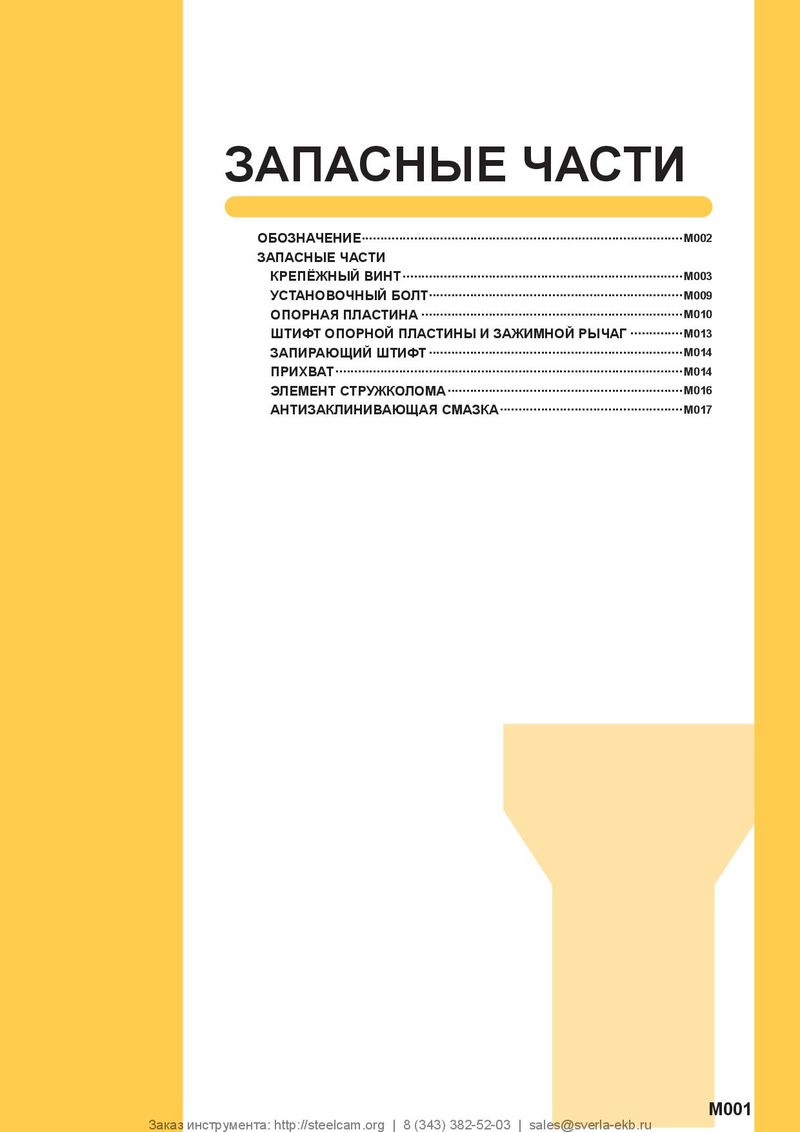 Каталог Mitsubishi Materials запасные части
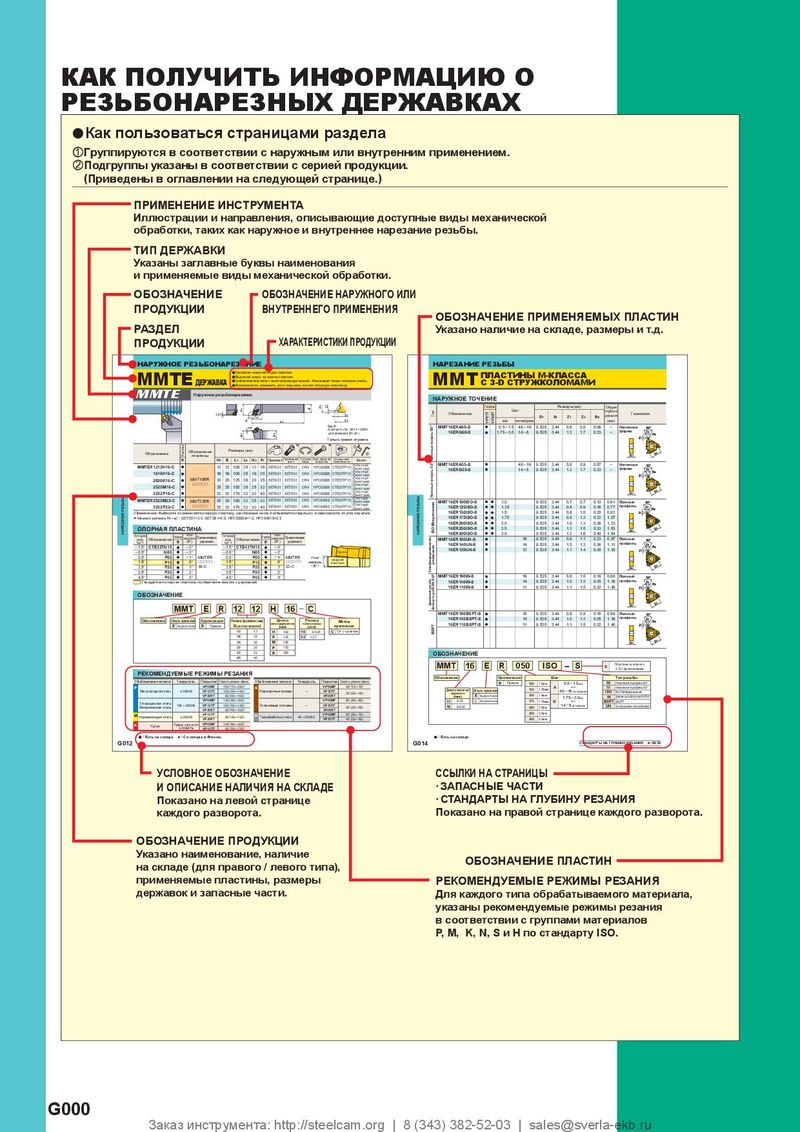 Каталог Mitsubishi Materials резьбонарезной инструмент
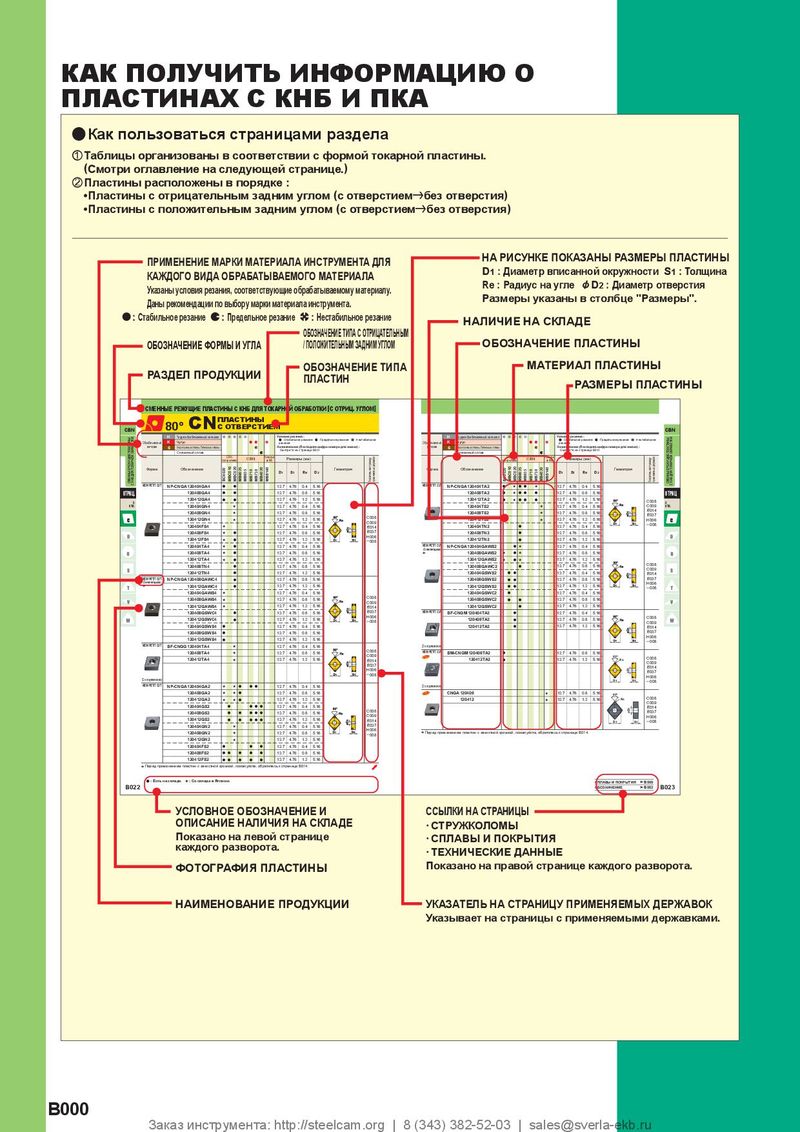 Каталог Mitsubishi Materials СНП с CBN и PCD для токарной обработки
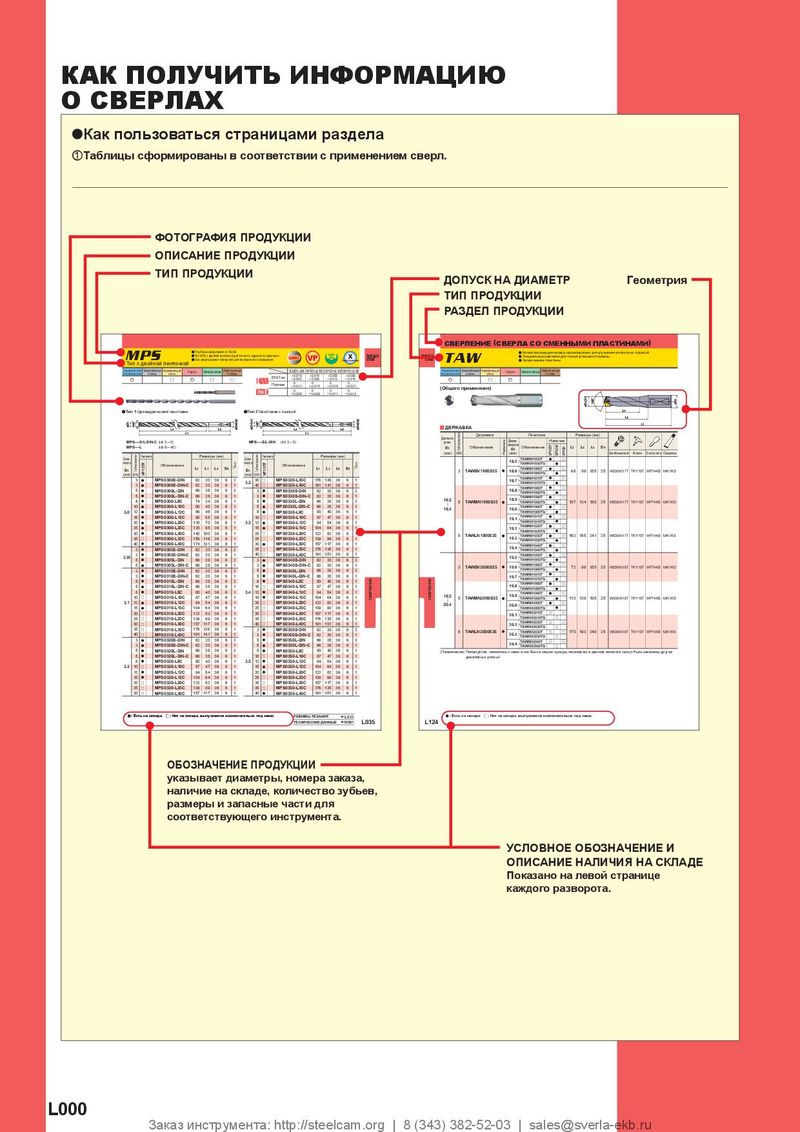 Каталог Mitsubishi Materials сверлильные инструменты
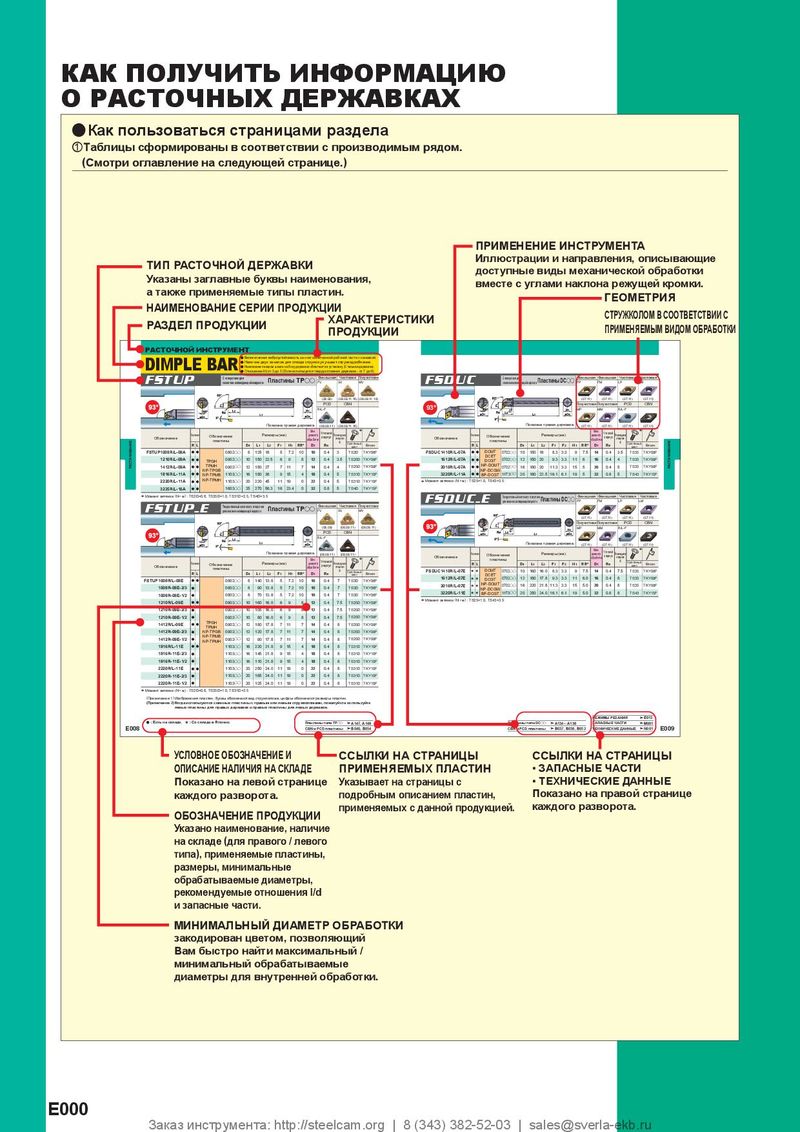 Каталог Mitsubishi Materials расточной инструмент
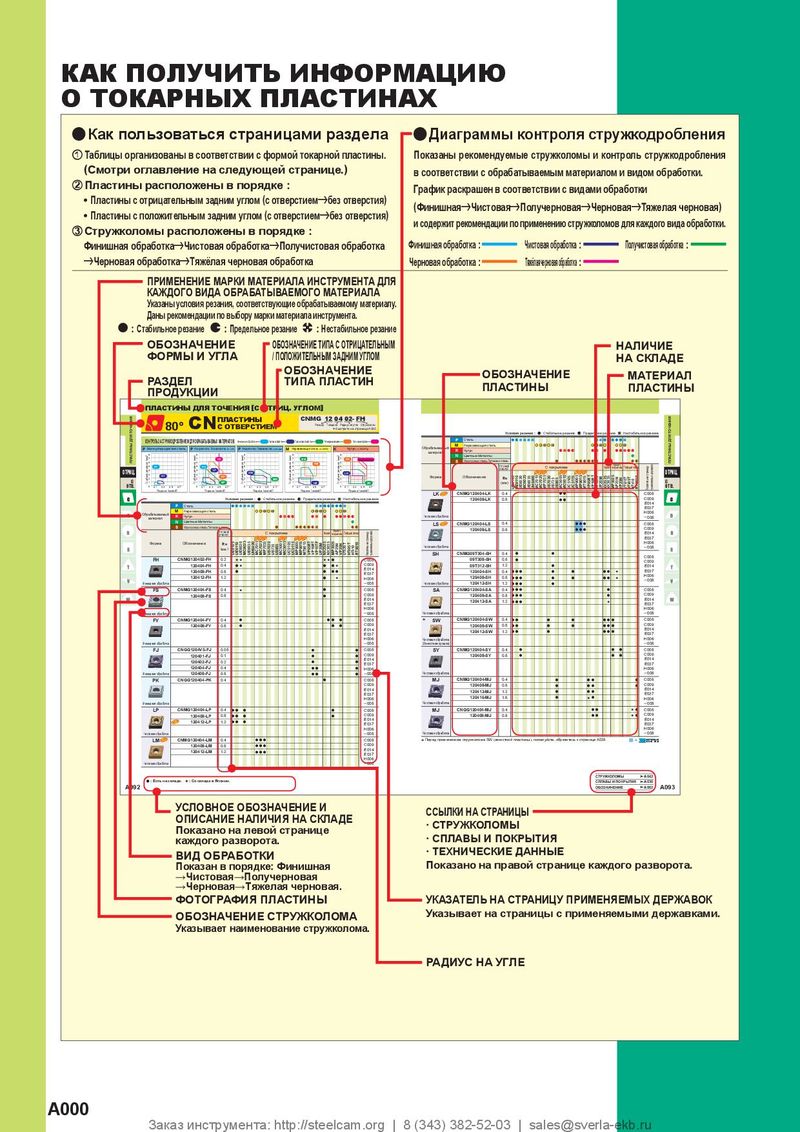 Каталог Mitsubishi Materials пластины для точения