Общий каталог Mitsubishi 2020 - 2021 - страница 1346
Навигация
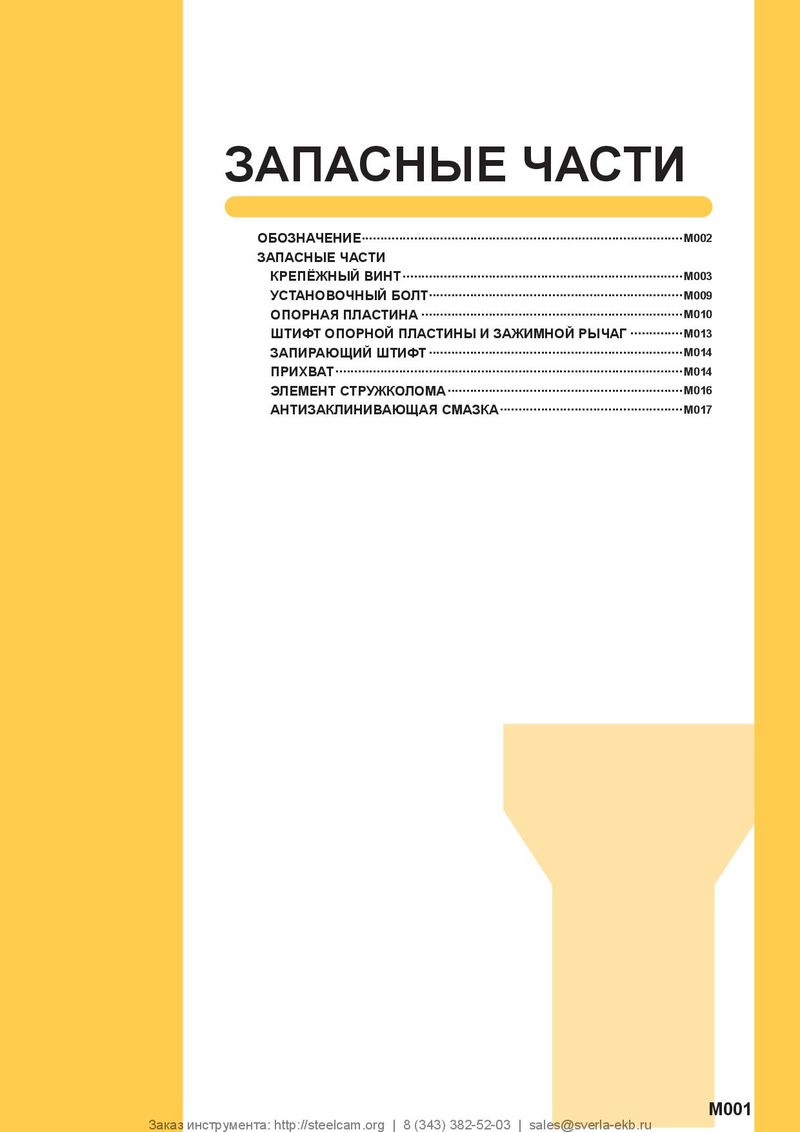 Каталог Mitsubishi Materials запасные части
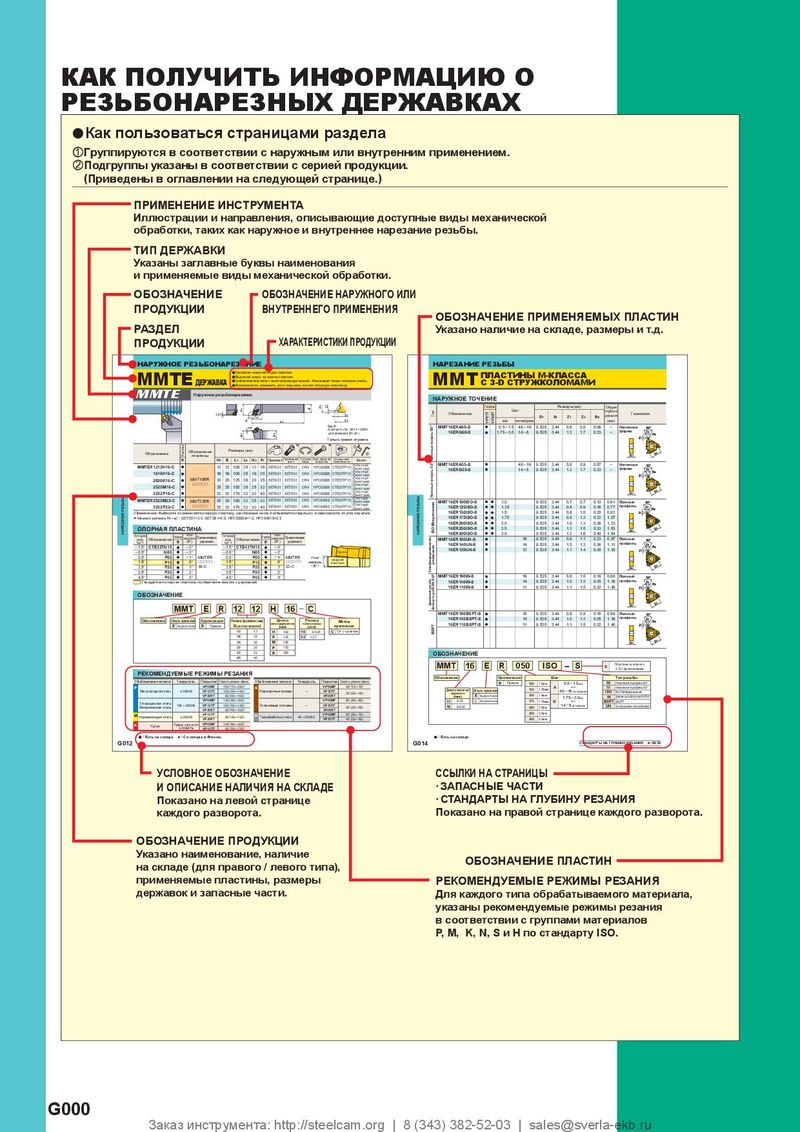 Каталог Mitsubishi Materials резьбонарезной инструмент
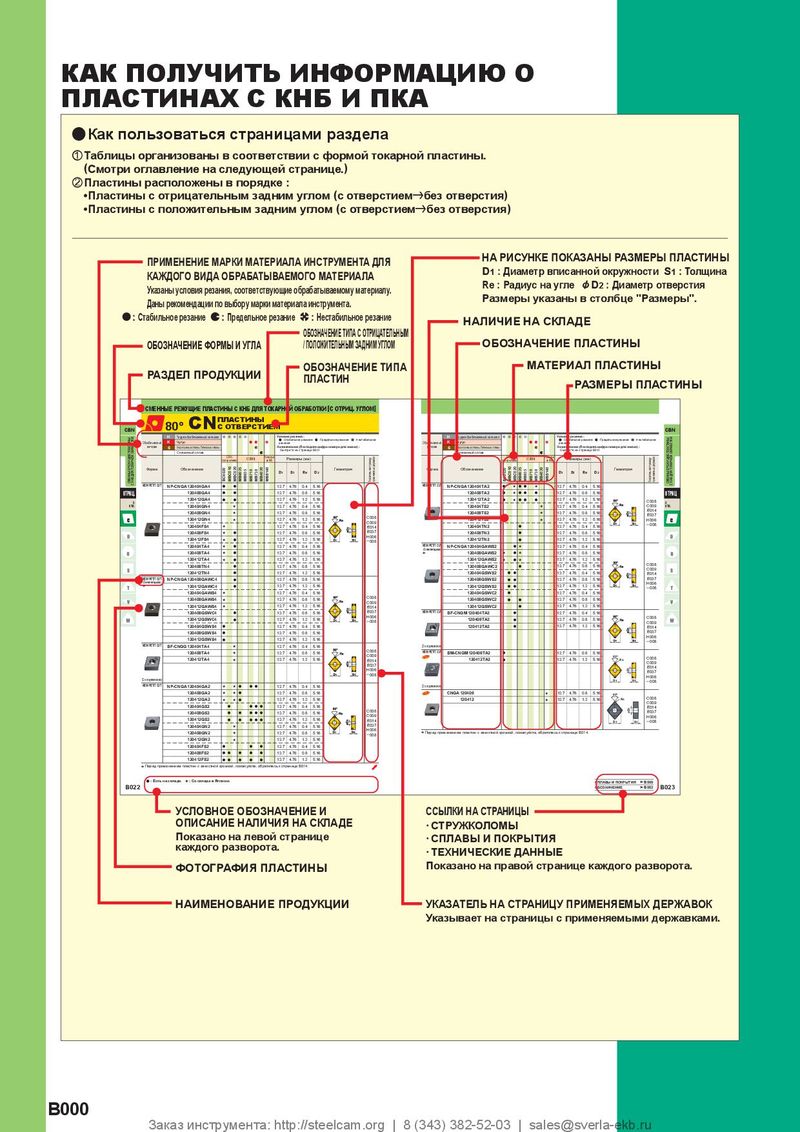 Каталог Mitsubishi Materials СНП с CBN и PCD для токарной обработки
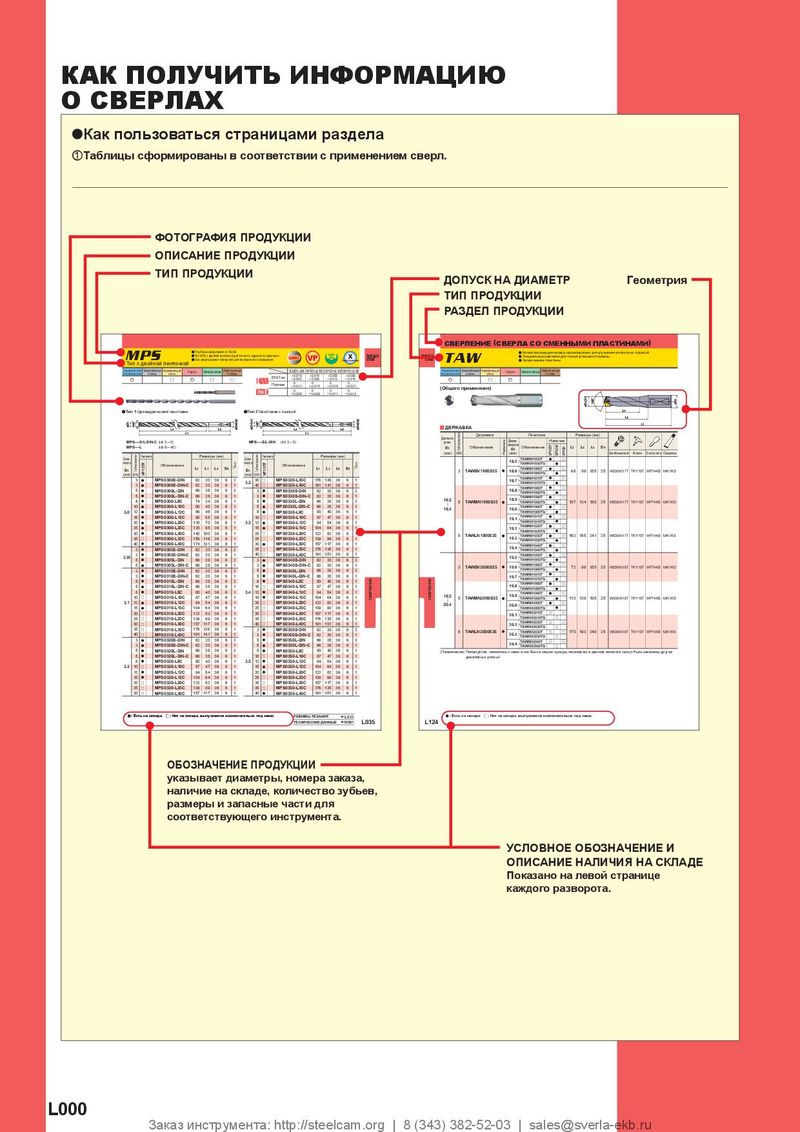 Каталог Mitsubishi Materials сверлильные инструменты
 Каталог Mitsubishi Materials расточной инструмент
 Каталог Mitsubishi Materials пластины для точения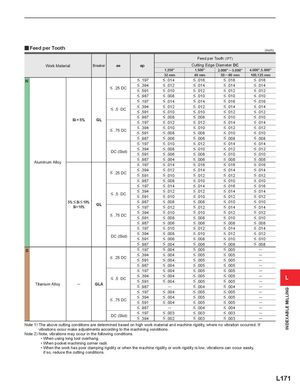
y Feed per Tooth
(inch)
| Feed pe | r Tooth(IPT) | ||||||
| Work Material | Breaker | ae | ap | CuttingEdg | e Diameter DC | ||
| 1.250" | 1.500" | 2.000"─3.000" | 4.000",5.000" | ||||
| 32 mm | 40 mm | 50─80 mm | 100,125 mm | ||||
| N | |||||||
| .25 DC | |||||||
| .5 | |||||||
| Si | GL | ||||||
| DC (Slot) | |||||||
| Aluminum Alloy | |||||||
| .5 DC | |||||||
| 5% | |||||||
| Si>10% | GL | ||||||
| . | |||||||
| DC (Slot) | |||||||
| S | ─ | ||||||
| ─ | |||||||
| . | ─ | ||||||
| ─ | |||||||
| ─ | |||||||
| ─ | |||||||
| .5 | ─ | ||||||
| ─ Titanium Alloy | GLA | . | ─ . | . | . | ─ | |
| ─ | |||||||
| ─ | |||||||
| .75 DC | ─ | ||||||
| ─ | ─ | ||||||
| ─ | |||||||
| DC (Slot) | ─ |
Note 1) The above cutting conditions are determined based on high work material and machine rigidity, where no vibration occurred. If vibrations occur make adjustments according to the machining conditions. Note 2) Note, vibrations may occur in the following conditions.
- When using long tool overhang.
- When pocket machining corner radii.
- When the work has poor clamping rigidity or when the machine rigidity or work rigidity is low, vibrations can occur easily, if so, reduce the cutting conditions.