Общий каталог Mitsubishi 2020 - 2021 - страница 1742
Навигация
 Каталог Mitsubishi Materials запасные части
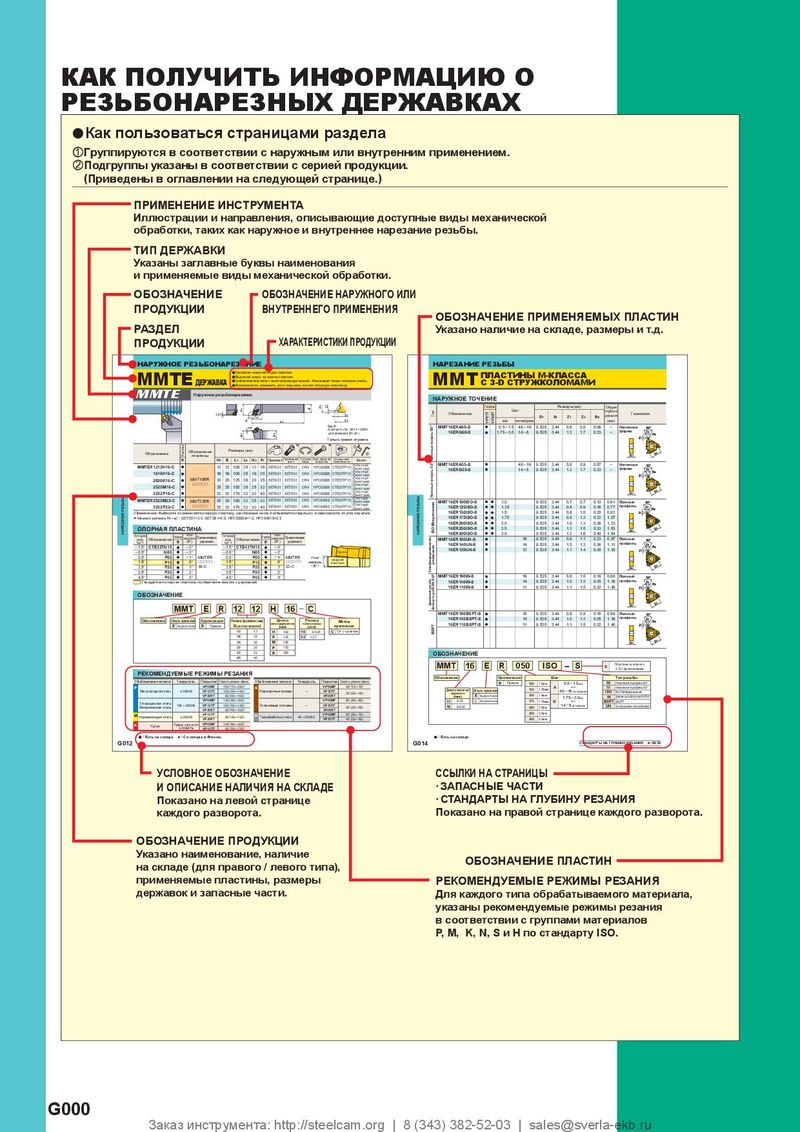 Каталог Mitsubishi Materials резьбонарезной инструмент
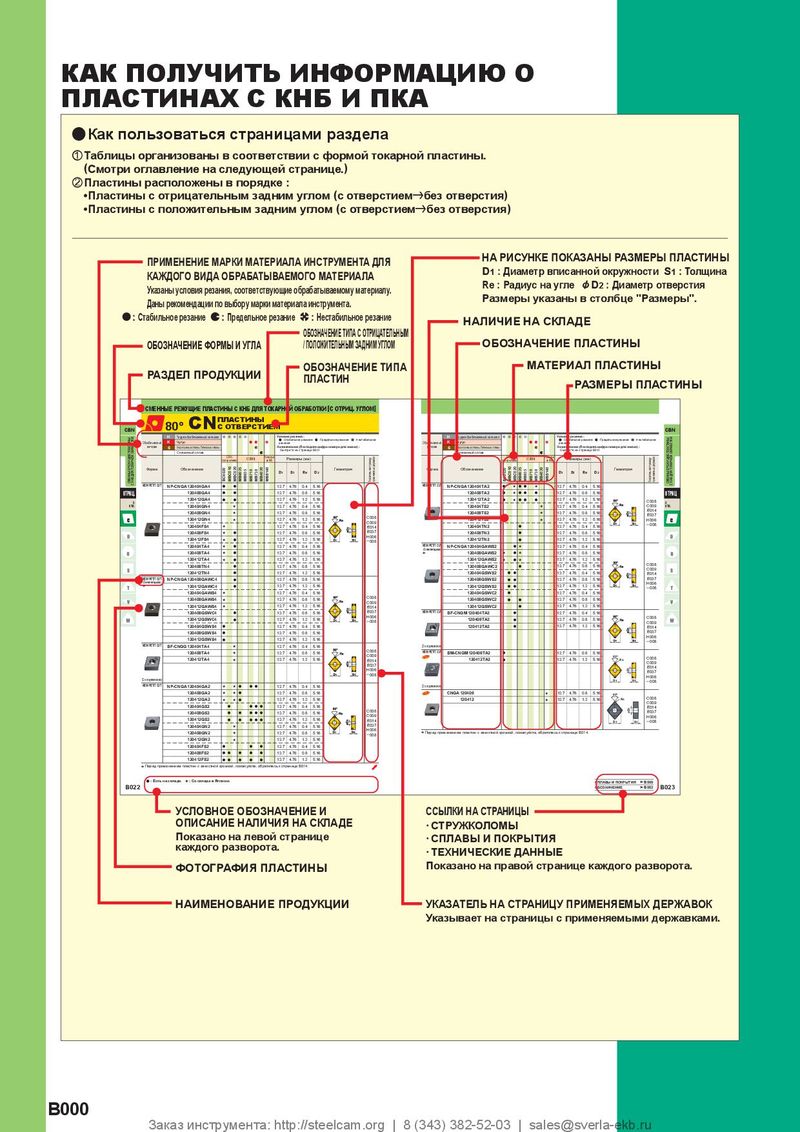 Каталог Mitsubishi Materials СНП с CBN и PCD для токарной обработки
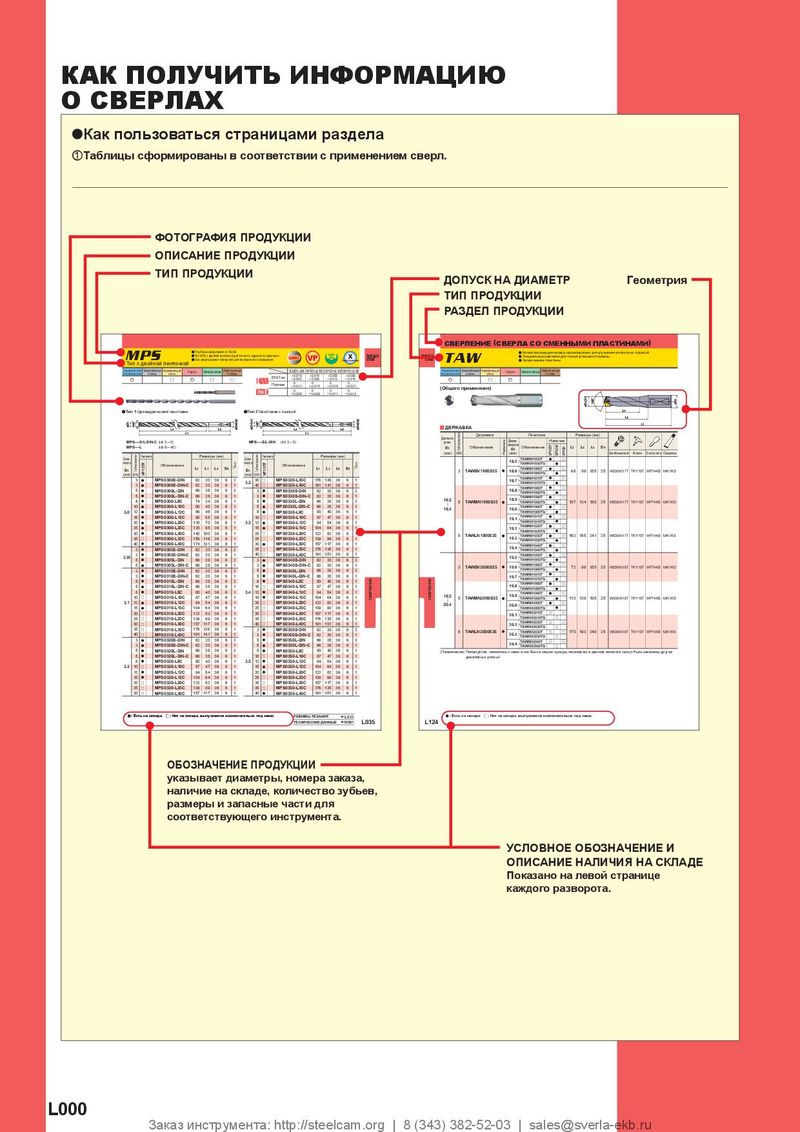 Каталог Mitsubishi Materials сверлильные инструменты
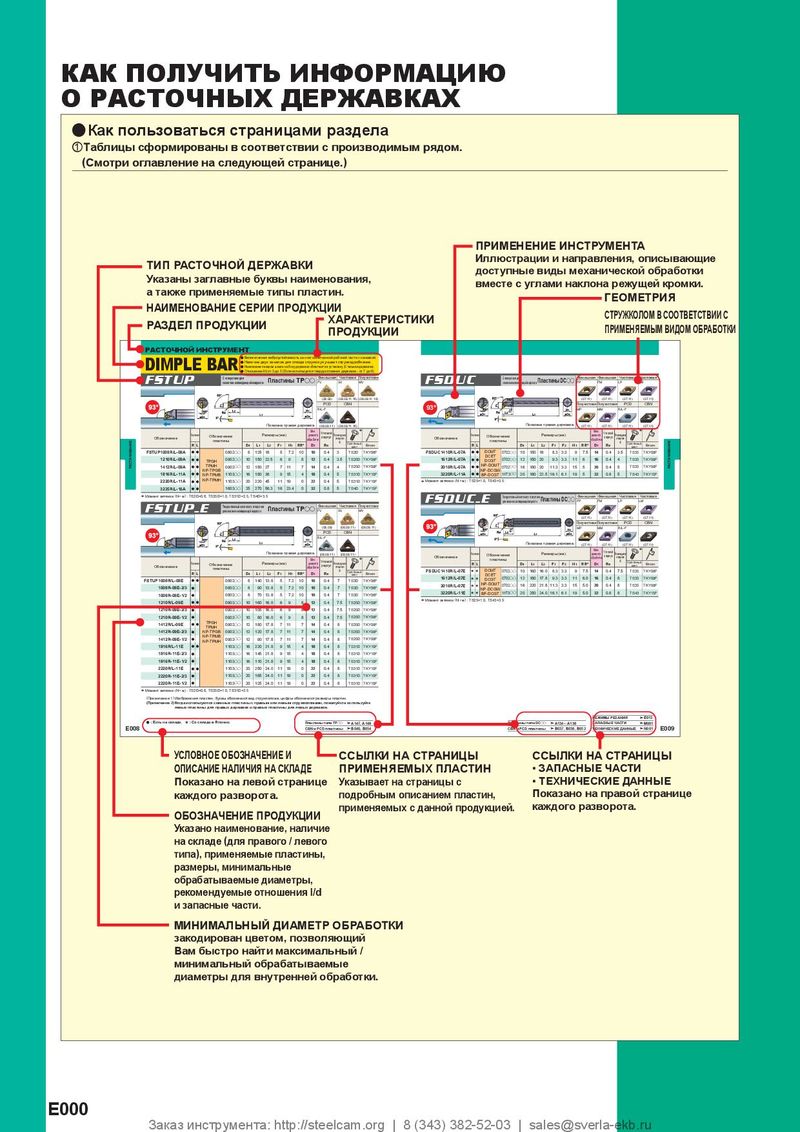 Каталог Mitsubishi Materials расточной инструмент
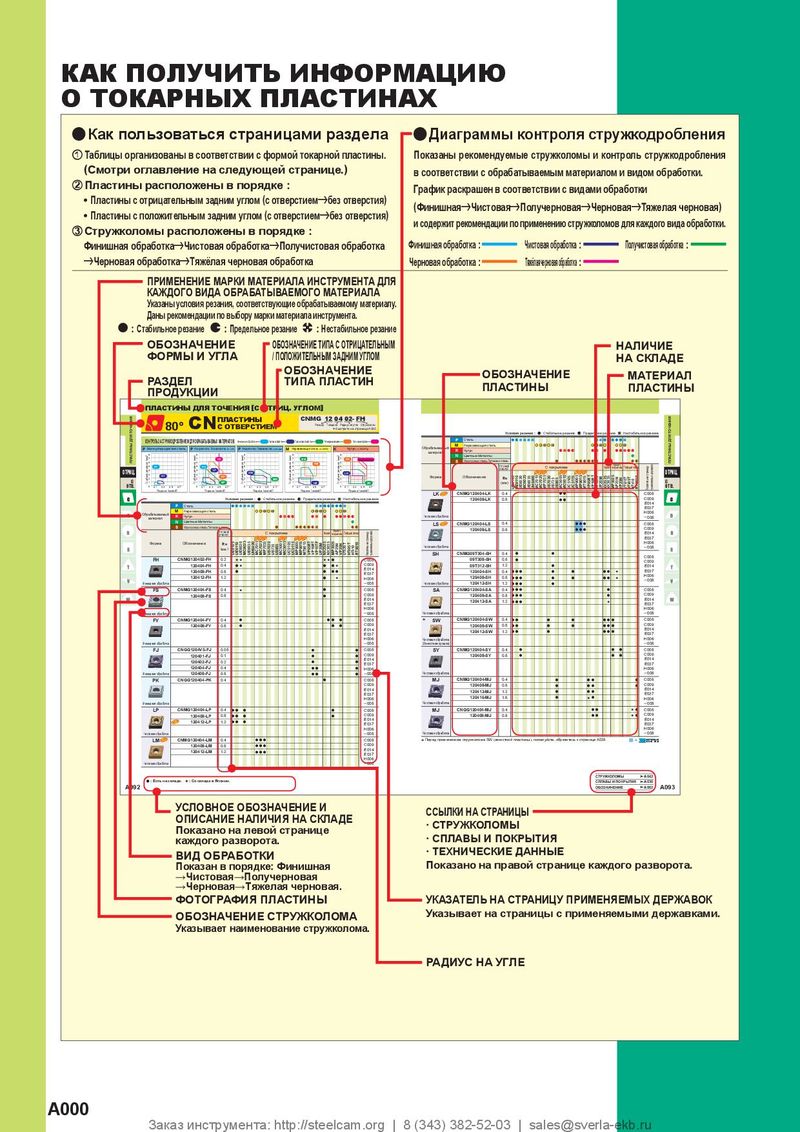 Каталог Mitsubishi Materials пластины для точения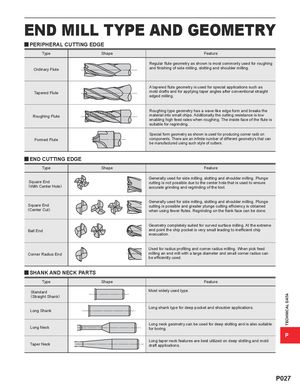
END MILL TYPE AND GEOMETRY
y PERIPHERAL CUTTING EDGE
| Type | Shape | Feature |
| Ordinary Flute | Regular flute geometry as shown is most commonly used for roughing and finishing of side milling, slotting and shoulder milling. | |
| Tapered Flute | A tapered flute geometry is used for special applications such as mold drafts and for applying taper angles after conventional straight edged milling. | |
| Roughing Flute | Roughing type geometry has a wave like edge form and breaks the material into small chips. Additionally the cutting resistance is low enabling high feed rates when roughing. The inside face of the flute is suitable for regrinding. | |
| Formed Flute | Special form geometry as shown is used for producing corner radii on components. There are an infinite number of different geometry's that can be manufactured using such style of cutters. |
y END CUTTING EDGE
| Type | Shape | Feature |
| Square End (With Center Hole) | Generally used for side milling, slotting and shoulder milling. Plunge cutting is not possible due to the center hole that is used to ensure accurate grinding and regrinding of the tool. | |
| Square End (Center Cut) | Generally used for side milling, slotting and shoulder milling. Plunge cutting is possible and greater plunge cutting efficiency is obtained when using fewer flutes. Regrinding on the flank face can be done. | |
| Ball End | Geometry completely suited for curved surface milling. At the extreme end point the chip pocket is very small leading to inefficient chip evacuation. | |
| Corner Radius End | Used for radius profiling and corner radius milling. When pick feed milling an end mill with a large diameter and small corner radius can be efficiently used. |
y SHANK AND NECK PARTS
| Type | Shape | Feature |
| Standard (Straight Shank) | Most widely used type. | |
| Long Shank | Long shank type for deep pocket and shoulder applications. | |
| Long Neck | Long neck geometry can be used for deep slotting and is also suitable for boring. | |
| Taper Neck | Long taper neck features are best utilized on deep slotting and mold draft applications. |