Общий каталог Mitsubishi 2020 - 2021 - страница 1407
Навигация
 Каталог Mitsubishi Materials запасные части
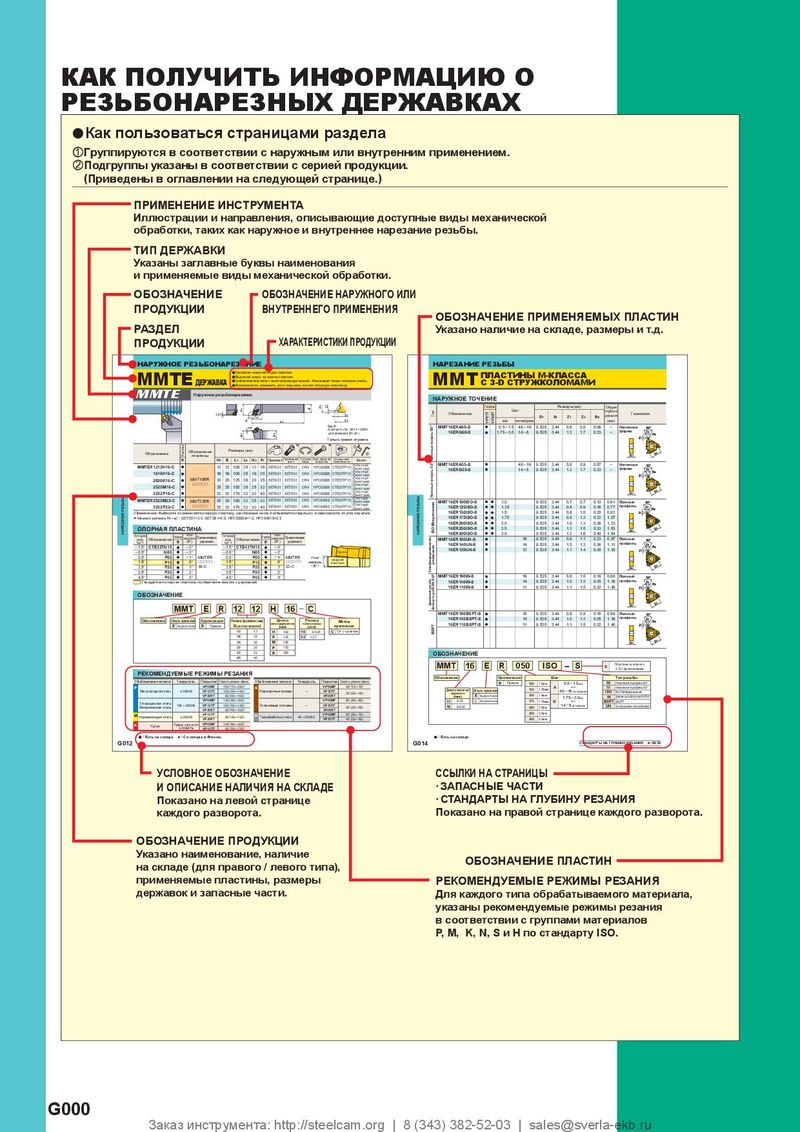 Каталог Mitsubishi Materials резьбонарезной инструмент
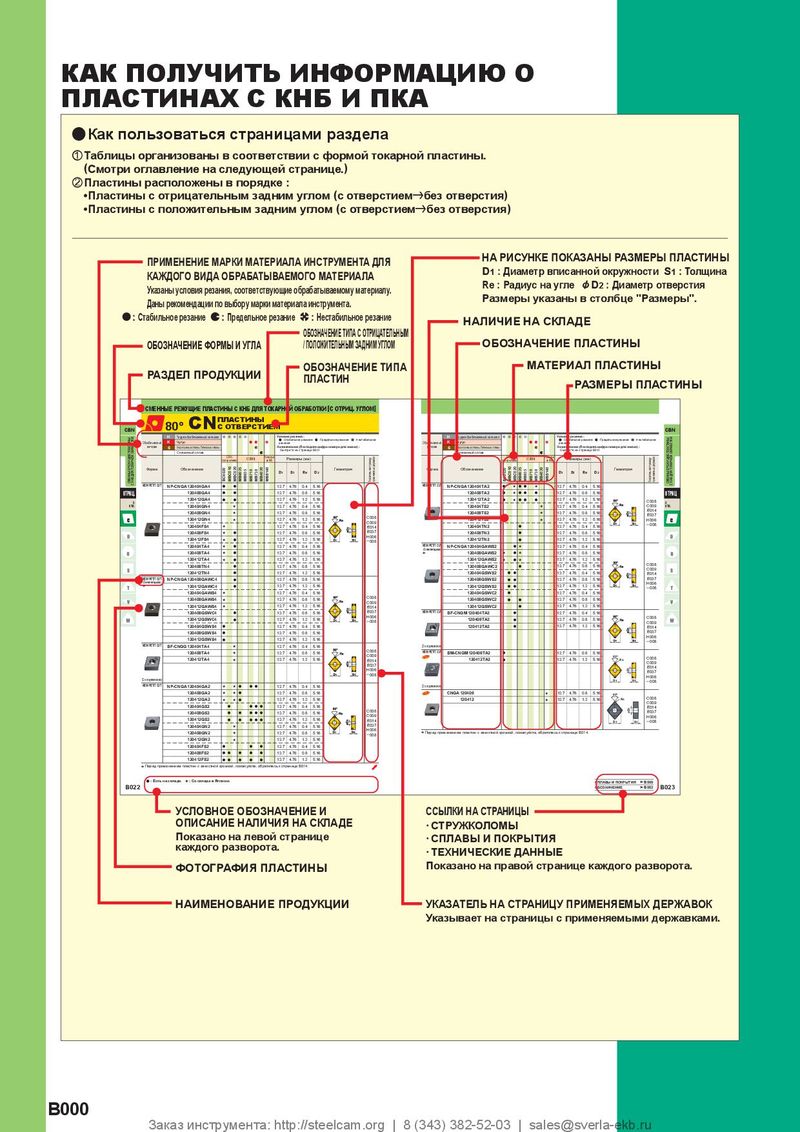 Каталог Mitsubishi Materials СНП с CBN и PCD для токарной обработки
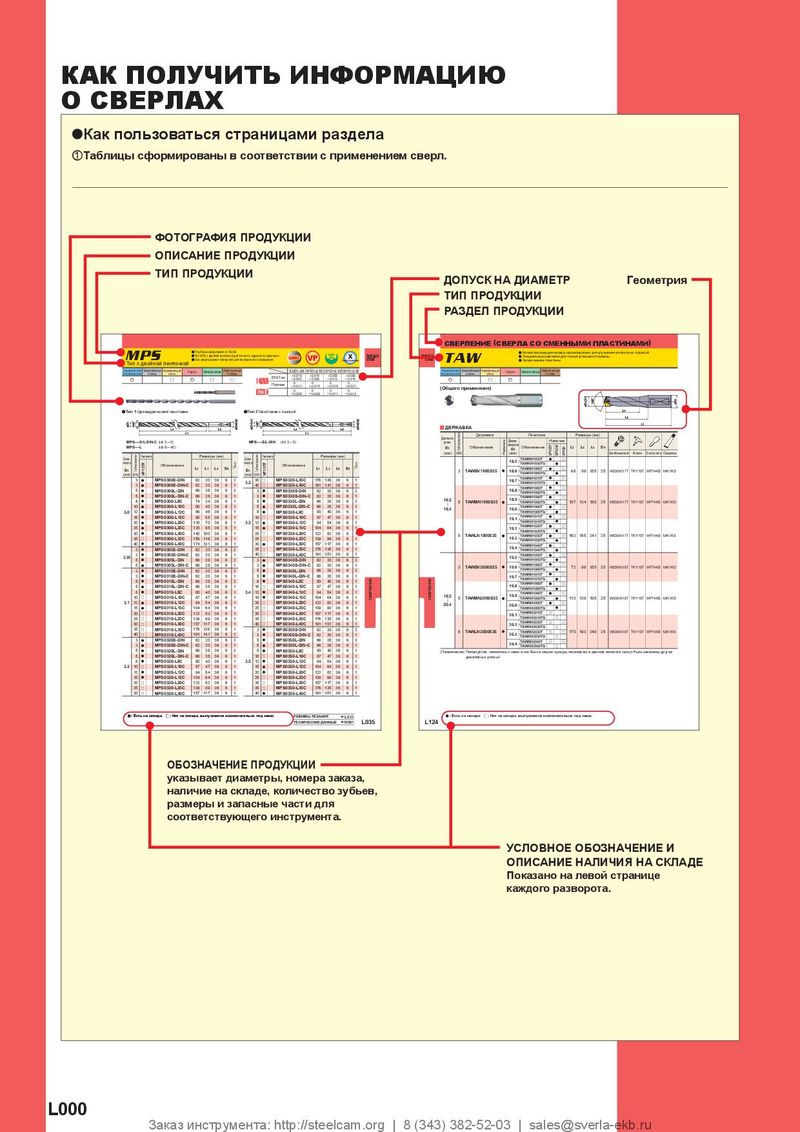 Каталог Mitsubishi Materials сверлильные инструменты
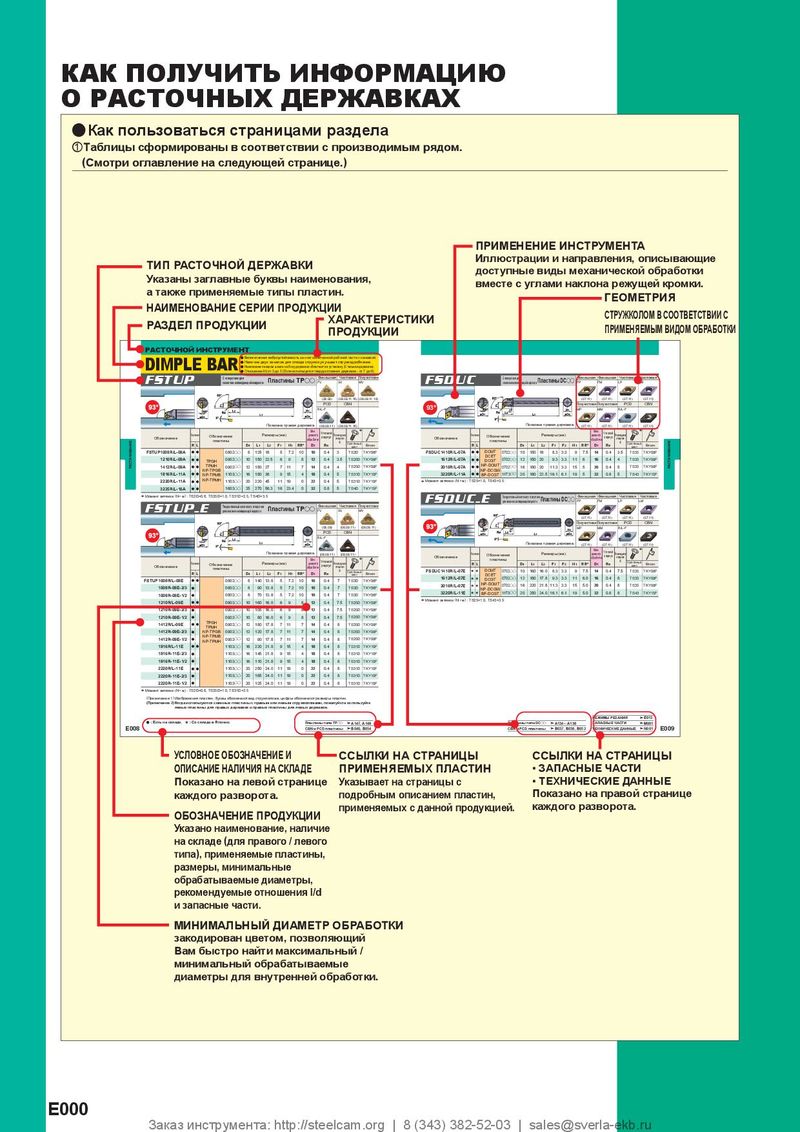 Каталог Mitsubishi Materials расточной инструмент
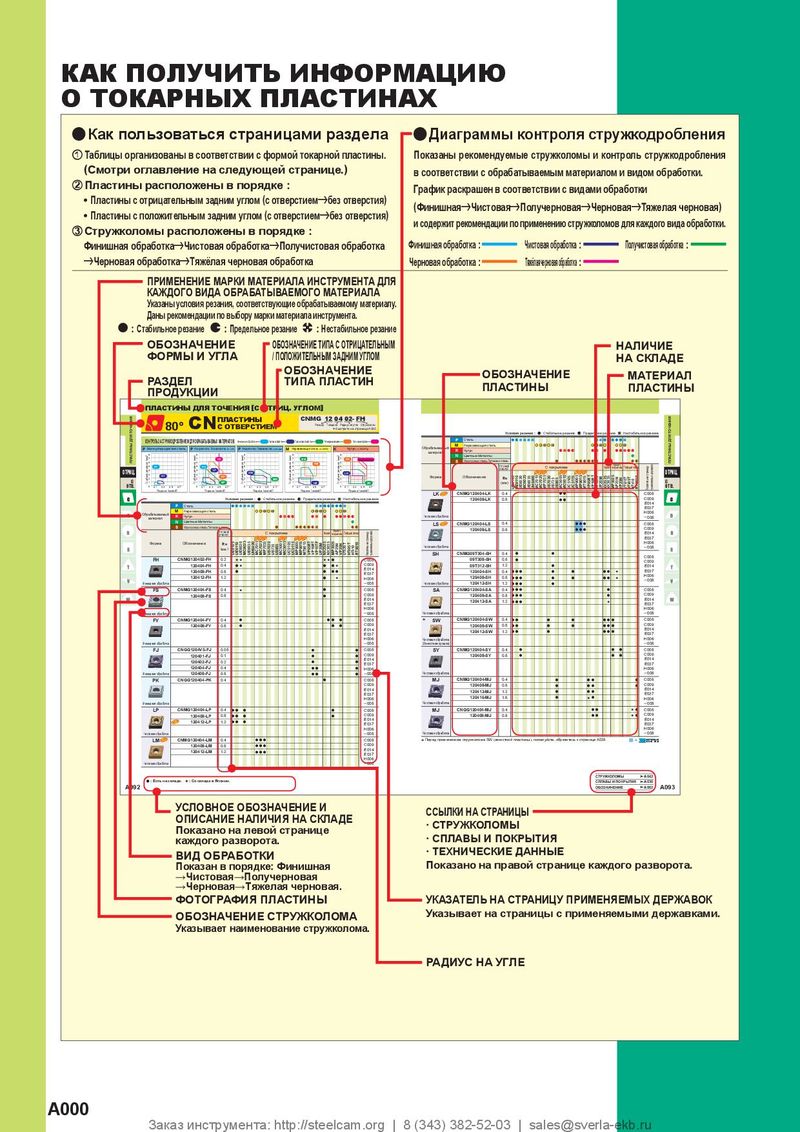 Каталог Mitsubishi Materials пластины для точения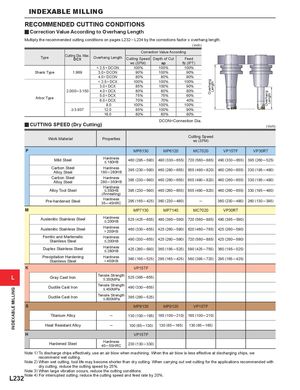
y Correction Value According to Overhang Length
Multiply the recommended cutting conditions on pages L232─L234 by the corrections factor x overhang length.
| Correc | tion Value Accor | ding (inch) | |||
| Cutting Dia. Max. | |||||
| Type | DCX | Overhang Length | Cutting Speed vc(SFM) | Depth of Cut ap | Feed fz(IPT) |
| 100% | 100% | 100% | |||
| Shank Type | 1.969 | 3.0×DCON | 90% | 100% | 90% |
| 4.0×DCON | 80% | 80% | 90% | ||
| < 2.5×DCX | 100% | 100% | 100% | ||
| 3.0×DCX | 85% | 100% | 90% | ||
| 2.000─3.150 | 4.0×DCX | 80% | 80% | 80% | |
| 5.0×DCX | 75% | 75% | 60% | ||
| Arbor Type | 6.0×DCX | 70% | 70% | 40% | |
| 8.0 | 100% | 100% | 100% | ||
| >3.937 | 12.0 | 85% | 100% | 90% | |
| 16.0 | 80% | 80% | 80% |
Overhang Length
DCON=Connection Dia.
| y CUTTING SPEED (Dry Cutt | ing) | (inch) | ||||
| Work Material | Properties | Cutting Speed vc(SFM) | ||||
| P | MP6130 | MP6120 | MC7020 | VP15TF | VP30RT | |
| Mild Steel | Hardness | 460 (295─590) | 490 (330─655) | 720 (560─885) | 490 (330─655) | 395 (260─525) |
| Carbon Steel AlloySteel | Hardness 180─280HB | 395 (230─590) | 460 (260─655) | 655 (490─820) | 460 (260─655) | 330 (195─490) |
| Carbon Steel AlloySteel | Hardness 280─350HB | 395 (230─590) | 460 (260─655) | 655 (490─820) | 460 (260─655) | 330 (195─490) |
| Alloy Tool Steel | Hardness (Annealing) | 395 (230─590) | 460 (260─655) | 655 (490─820) | 460 (260─655) | 330 (195─490) |
| Pre-hardened Steel | Hardness 35─45HRC | 295 (165─425) | 360 (230─490) | ─ | 360 (230─490) | 260 (130─395) |
| M | MP7130 | MP7140 | MC7020 | VP30RT | ||
| Austenitic Stainless Steel | Hardness | 525 (425─655) | 490 (395─590) | 720 (560─885) | 490 (395─590) | |
| Austenitic Stainless Steel | Hardness >200HB | 460 (330─655) | 425 (260─590) | 620 (460─785) | 425 (260─590) | |
| Ferritic and Martensitic Stainless Steel | Hardness | 490 (330─655) | 425 (260─590) | 720 (560─885) | 425 (260─590) | |
| Duplex Stainless Steel | Hardness | 425 (260─590) | 360 (195─525) | 590 (425─755) | 360 (195─525) | |
| Precipitation Hardening Stainless Steel | Hardness | 360 (195─525) | 295 (165─425) | 560 (395─720) | 295 (165─425) | |
| K | VP15TF | |||||
| Gray Cast Iron | Tensile Strength | 525 (395─655) | ||||
| Ductile Cast Iron | Tensile Strength | 490 (330─655) | ||||
| Ductile Cast Iron | Tensile Strength | 395 (260─525) | ||||
| S | MP9130 | MP9120 | VP15TF | |||
| Titanium Alloy | ─ | 130 (100─195) | 165 (100─210) | 165 (100─210) | ||
| Heat Resistant Alloy | ─ | 100 (65─130) | 130 (65─165) | 130 (65─165) | ||
| H | VP15TF | |||||
| Hardened Steel | Hardness 40─55HRC | 230 (130─330) |
Note 1) To discharge chips effectively, use an air blow when machining. When the air blow is less effective at discharging chips, we recommend wet cutting. Note 2) When wet cutting, tool life may become shorter than dry cutting. When carrying out wet cutting for the applications recommended with dry cutting, reduce the cutting speed by 25%. Note 3) When large vibration occurs, reduce the cutting conditions. L232 Note 4) For interrupted cutting, reduce the cutting speed and feed rate by 20%.