Общий каталог Sumitomo 2018 - 2019 - страница 574
Навигация
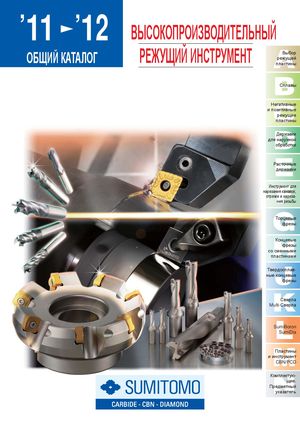 Общий каталог Sumitomo 2012
 Каталог Sumitomo резьбонарезной инструмент
 Каталог Sumitomo пластины с режущей кромкой-моноалмаз Sumicristal
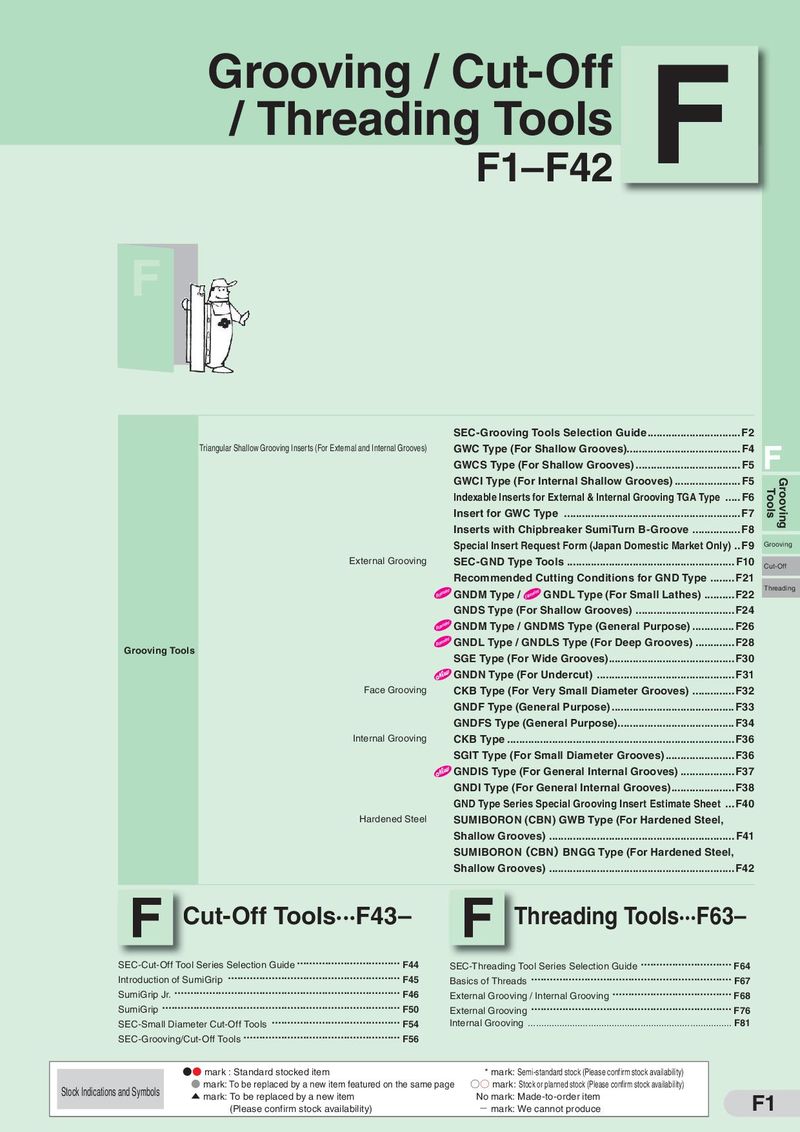 Каталог Sumitomo инструмент для обработки канавок
 Общий каталог Sumitomo 2019 - 2020
 Каталог Sumitomo запасные части
- Pages 3-6_CS6_EN_web
- A 1-20 insert selection EN_web
- B 1-14 grades_EN_web
- C01-17 inserts intro pages_EN_web
- C18-56 negative inserts_EN_web
- C57-86 positive inserts_EN_web
- D 1-46 tool holders_EN_web
- E 1-24 boring bars_EN_web
- F 1-48 grooving_thread tools_EN_web
- G 1-54 milling cutters_EN_web
- H 1-48 insert type endmills_EN_web
- J 1-24 new endmills_EN_web
- J 25-50 endmills_EN_web
- K 1-46 Multi-Drills_EN_web
- K 47-76 Multi-Drills_EN_web
- L 1-28 cbn_pcd grades_EN_web
- M 1-34 cbn_pcd inserts_EN_web
- M 35-56 SHM tools_EN_web
- N1-24 technical guidance_EN_web
- P 1-8 spare parts_neu_EN_web
- P 9-22 index_notes_EN_web

SUMIBORON Machining Hard-to-cut MaterialsTechnical Guidance
Powder Metal
| 1. Flank wear | 2. Surface roughness | 3. Height of burr | ||
| BN700 | ||||
| H1 (Carbide) | BN700 |
T110A(Cermet) H1 (Carbide) BN700
T110A(Cermet) H1 (Carbide) T110A(Cermet)
| Cutting length (km) | Cutting speed (m/min) | Cutting speed (m/min) | |||
| Work material: SMF4040 equivalent | For general power metal components, carbide and cermet grades can perform up to Vc=100m/min. However, around | ||||
| Process details: ø100~300mm heavy interrupted facing with grooves and drilled | Vc=120m/min, wear becomes rapid and surface roughness deteriorates with increased burrs. | ||||
| holes. (after 40 passes) | SUMIBORON on the other hand, exhibits stability and superior wear resistance, burr prevention and surface roughness | ||||
| Insert: TNGA160404 Cutting data: f=0.1mm/rev, d=0.1mm, Wet | especially at high speeds. |
Heat Resistive Alloy Ni based alloy Typical tool damage of CBN tool when cutting Inconel 718 Cutting data: f = 0,06mm/rev, doc = 0,3mm, WET Cutting data: f = 0,12mm/rev, doc = 0,3mm, WET
Influence of cutting speed (Grade BNX20, f =0,06 mm/rev., L=0,72km) Vc = 300m/min Vc = 500m/min Notch wear BN700 BNX20 Flank wear Flank wear Whisker reinforced Influence of feedrate (Grade BNX20, Vc=300m/min, L=0,18km) ceramic
| f = 0,12mm/rev | f = 0,06mm/rev | BN700 | ||
| BNX20 | ||||
| Whisker reinforced | Coated carbide (K series) | |||
| ceramic | ||||
| Notch wear Flank wear |
| Influence of tool grade (Vc=500m/min, f =0,12 mm/rev, L=0,36km) | Cutting length (m) | Cutting length (m) | |||
| BNX20 | BN700 | ||||
| Tool life criteria | Tool life criteria | ||||
| Notch wear = 0,25mm | Notch wear = 0,25mm | ||||
| Or flank wear = 0,25mm | Or flank wear = 0,25mm |
| 0,5mm | BNX20 is recommended for high speed and low feedrate condition. | BN700 is recommended for cutting at high feedrates. | ||
| Cutting data: d | = 0,3mm, WET | BN700 is recommended for cutting speeds below 240m/min | (Over f=0,1mm/rev) | |
| oc | ||||
| Ti based alloy |
| BN700 | K10 | BN700 | K10 | DA150 |
| Breakage | Breakage | Breakage |
BN700
DA150 DA150
Cutting time (min) Cutting time (min) Cutting time (min)
| Work Material: Ti-6Al-4V | Work Material: Ti-6Al-4V | Work Material: Ti-6Al-4V |
| Insert: DNM120404NF | Insert: DNM120404NF | Insert: DNMA150412 |
| Cutting data: vc = 100m/min, doc = 0,1mm, f = 0,05mm/rev, WET | Cutting data: vc = 100m/min, doc = 0,1mm, f = 0,05mm/rev, WET | Cutting data: Vc = 120m/min, doc = 0,3mm, f =0,25mm/rev, WET |
| SUMIDIA positive type inserts are extremely good for Ti alloy, | SUMIDIA positive type inserts are extremely good for Ti alloy, | Negative type insert BN700 is excellent for high efficiency cutting. |
| due to high cutting edge strength and high wear resistance. | due to high cutting edge strength and high wear resistance. | (For large depth of cut and high feedrates) |
| Hard facing alloys |
| Work material: Colmonoy No.6 | BNS800 (Vc=300m/min) | BNS800 (Vc=300m/min) | |
| Whisker reinforced ceramic (Vc=50m/min) | Work material: Stellite SF-20 | Competitor’s solid CBN | |
| (Ni-based self fluxing alloy) | (Co-based Self-fluxing alloy) | ||
| Cutting is difficult because of | |||
| Insert: SNGN090308 | large wear at Vc=50m/min | Insert: SNGN090308 | |
| Cutting data: | Cutting data: | Chipping |
| v | = 50, 300 m/min | vc = 50 m/min |
| c | f = 0,1 mm/rev | |
| f = 0,1 mm/rev | ||
| d | = 0,2 mm | doc = 0,2 mm |
oc Small wear at V=300m/min Dry
Wet No chipping Cutting length (km) Cutting length (km)
Chipping
| BNS800 | Whisker reinforced ceramic | BNS800 | Competitor‘s solid CBN |
| (Vc=300m/min, After 2km Cutting) | (Vc=50m/min, After 10m Cutting) | (After 2km of cutting) | (After 2km of cutting) |