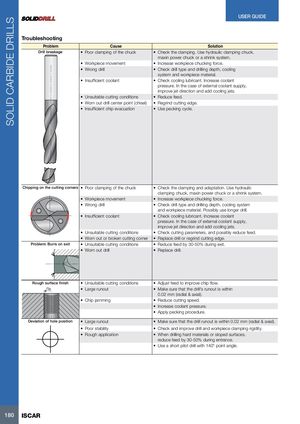
| Problem | Cause | Solution |
| Drill breakage | • Poor clamping of the chuck | • Check the clamping. Use hydraulic clamping chuck, maxin power chuck or a shrink system. |
| • Workpiece movement | • Increase workpiece chucking force. |
| • Wrong drill | • Check drill type and drilling depth, cooling system and workpiece material. |
| • Insufficient coolant | • Check cooling lubricant. Increase coolant pressure. In the case of external coolant supply, improve jet direction and add cooling jets. |
| • Unsuitable cutting conditions | • Reduce feed. |
| • Worn out drill center point (chisel) | • Regrind cutting edge. |
| • Insufficient chip evacuation | • Use pecking cycle. |
| Chipping on the cutting corners | • Poor clamping of the chuck | • Check the clamping and adaptation. Use hydraulic clamping chuck, maxin power chuck or a shrink system. |
| • Workpiece movement | • Increase workpiece chucking force. |
| • Wrong drill | • Check drill type and drilling depth, cooling system and workpiece material. Possibly use longer drill. |
| • Insufficient coolant | • Check cooling lubricant. Increase coolant pressure. In the case of external coolant supply, improve jet direction and add cooling jets. |
| • Unsuitable cutting conditions | • Check cutting parameters, and possibly reduce feed. |
| • Worn out or broken cuttingcorner | • Replace drill or regrind cuttingedge. |
| Problem: Burrs on exit | • Unsuitable cutting conditions | • Reduce feed by 30-50% during exit. |
| • Worn out drill | • Replace drill. |
| Rough surface finish | • Unsuitable cutting conditions | • Adjust feed to improve chip flow. |
| Ra | • Large runout | • Make sure that the drill’s runout is within |
| | 0.02 mm (radial & axial). |
| • Chip jamming | • Reduce cutting speed. |
| | • Increase coolant pressure. |
| | • Apply pecking procedure. |
| Deviation of hole position | • Large runout | • Make sure that the drill runout is within 0.02 mm (radial & axial). |
| • Poor stability | • Check and improve drill and workpiece clamping rigidity. |
| • Rough application | • When drilling hard materials or sloped surfaces, reduce feed by 30-50% during entrance. • Use a short pilot drill with 140° point angle. |
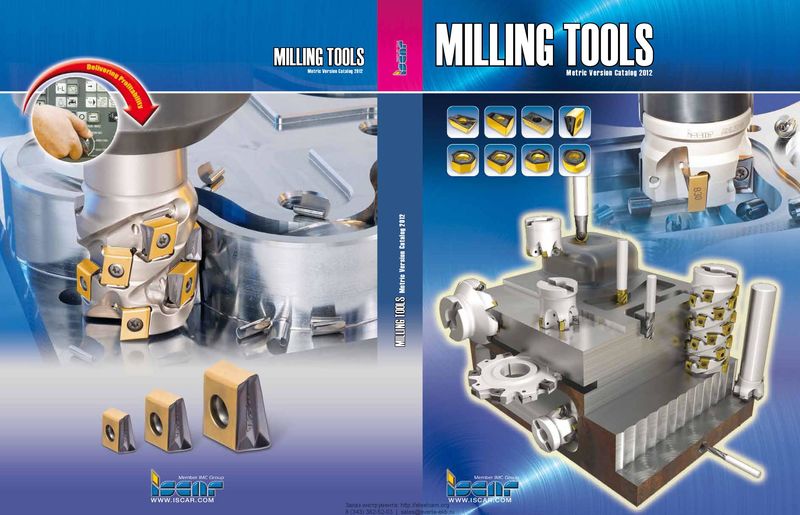 Каталог Iscar инструмент для фрезерования
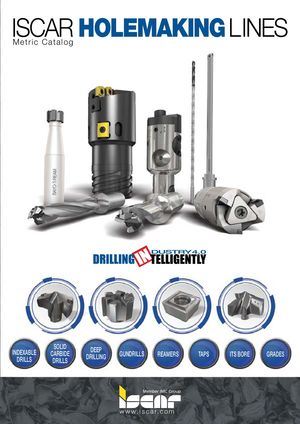 Каталог Iscar сверла со сменной режущей частью 2022
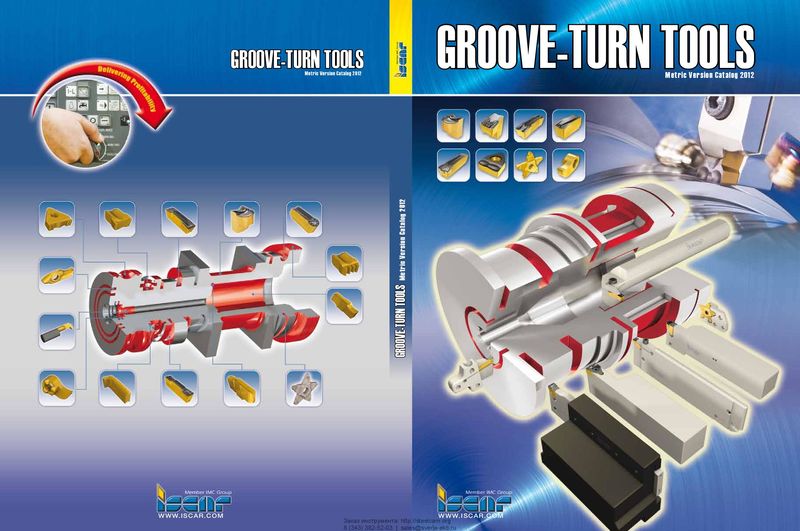 Каталог Iscar токарный инструмент для нарезания канавок
 Фрезерные инструменты Iscar 2026
 Каталог Iscar отрезка 2022